Rideshare services like Uber and Lyft have revolutionized how people get around in Chicago, offering convenience and affordability. However, with the rise in rideshare usage comes an increase in accidents involving these vehicles. Understanding how claims differ for Uber and Lyft accidents compared to traditional car accidents is crucial for anyone affected by such incidents. Whether you’re a passenger, driver, or pedestrian, navigating the complexities of Illinois law and rideshare insurance policies can be overwhelming.
In Chicago, where traffic is dense and rideshare services are widely used, the stakes are even higher. The unique urban environment adds layers of complexity to accident claims, making it essential to know your rights and responsibilities. With so much at play, having access to trusted legal resources like The Super Lawyer can make all the difference in ensuring fair compensation. Let’s dive into how these accidents happen and what makes them different from standard car crashes.
How Do Rideshare Accidents Happen in Chicago?
Rideshare accidents in Chicago often occur due to common factors like distracted driving, speeding, or reckless behavior by drivers. Many drivers multitask while using the app, checking routes or accepting ride requests, which increases the risk of accidents. Additionally, the bustling streets of Chicago, filled with pedestrians, cyclists, and other vehicles, create a perfect storm for collisions.
These accidents don’t just affect passengers; they can involve other drivers, cyclists, and pedestrians sharing the road. For instance, a Lyft driver might hit a cyclist while rushing to pick up a passenger, or an Uber vehicle could rear-end another car during heavy traffic. Understanding these scenarios helps victims identify who might be liable and how to proceed with their claims. Now, let’s explore the laws that govern these situations.
Key Illinois Laws and Regulations Governing Rideshare Accidents
In Illinois, the Ridesharing Arrangements Act (625 ILCS 30/) sets the framework for regulating companies like Uber and Lyft. This law ensures that rideshare drivers carry specific insurance coverage, but the amount depends on whether they’re actively providing a ride or simply logged into the app. Chicago also has local ordinances that complement state regulations, adding another layer of oversight.
Additionally, Illinois follows a modified comparative negligence rule, meaning your compensation may be reduced if you’re found partially at fault for the accident. The statute of limitations for personal injury claims is two years, while wrongful death claims must be filed within the same timeframe from the date of death. Knowing these details is vital to avoid missing critical deadlines. Next, we’ll break down how insurance works in rideshare accidents.
The Insurance Structure: When Does Uber or Lyft Insurance Apply?
Rideshare insurance operates in three distinct phases based on the driver’s app status. When a driver is offline and using their vehicle for personal purposes, their own auto insurance policy applies. However, once they log into the app and wait for ride requests, Uber and Lyft provide limited liability coverage, typically up to $50,000 per person for injuries.
“Rideshare accident claims in Chicago are governed by a mix of local ordinances, state laws, and legal precedents. The Illinois Ridesharing Arrangements Act (625 ILCS 30/) governs the legal relationship between rideshare drivers, passengers, and companies.” -Rosenfeld Injury Law
If the driver accepts a ride request or is transporting a passenger, the rideshare company’s $1 million liability policy kicks in. This phase offers the most protection for victims. Proving the driver’s app status at the time of the accident is crucial, as it determines which insurance policy will cover damages. Understanding this structure helps victims navigate claims effectively.
Unfortunately, disputes over app status can complicate matters, leading to delays or denials in claims. This is where experienced attorneys, like those at The Super Lawyer, can step in to clarify the details and ensure proper coverage. Let’s now compare rideshare claims to traditional car accident claims.
“Rideshare insurance coverage depends on what the driver was doing at the time of the accident… If you were a passenger (driver was ‘on a trip’): Uber and Lyft carry up to $1 million in third-party liability insurance, which may cover your injuries.” -Hale & Monico
How Uber/Lyft Claims Differ from Traditional Car Accident Claims
Filing a claim after a rideshare accident differs significantly from handling a standard car accident claim. One key challenge is the classification of drivers as independent contractors rather than employees, which shifts liability dynamics. Additionally, rideshare companies often try to distance themselves from direct responsibility, leaving victims to navigate multiple insurers and complex policies.
Jurisdictional complications further muddy the waters, especially when accidents occur across city or state lines. Victims may face resistance from both the rideshare company and the driver’s personal insurer. This underscores the importance of seeking legal guidance early in the process to build a strong case. Moving forward, let’s discuss how liability is proven in these cases.
“Liability in an Uber or Lyft accident can depend on whether the rideshare driver was logged into the app and actively transporting a passenger. Uber and Lyft provide up to $1 million in liability coverage for accidents involving active rides, but if the driver was offline, their personal insurance may apply.” -Chicago Lawyer
Proving Liability in Rideshare Accidents
To establish liability in a rideshare accident, four elements must be proven: duty of care, breach of duty, causation, and damages. For example, if a Lyft driver ran a red light and caused an accident, they breached their duty to drive safely, directly resulting in harm.
Illinois’ comparative negligence rule means that liability can be shared among multiple parties, including the rideshare driver, other motorists, or even pedestrians. Gathering evidence like dashcam footage, witness statements, and police reports is essential to assign blame accurately. With so many variables, professional legal assistance becomes invaluable. Let’s now examine the types of damages commonly claimed.
“Take photos of vehicle damage, the accident location, and your injuries. Screenshot your ride details in the Uber or Lyft app.” -Hale & Monico

Personal Injury and Wrongful Death Claims: Unique Considerations
Victims of rideshare accidents often seek compensation for medical bills, lost wages, pain and suffering, and emotional distress. In fatal crashes, families may pursue wrongful death benefits to cover funeral expenses and loss of income. These claims require meticulous documentation to demonstrate the full impact of the accident.
Wrongful death claims in Illinois follow a strict two-year statute of limitations starting from the date of death. Given the emotional and financial toll of such cases, partnering with a skilled attorney can help families secure the justice and compensation they deserve. Now, let’s outline the immediate steps victims should take after an accident.
“To prove liability in a rideshare accident, we have to show four things: a duty of care, breach of duty, causation, and damages.” -Levin & Perconti
Steps to Take Immediately After a Rideshare Accident in Chicago
After a rideshare accident, prioritize safety by calling 911 and seeking medical attention, even for minor injuries. Document the scene by taking photos, collecting witness contact information, and saving screenshots of your ride details. Reporting the incident to Uber or Lyft and notifying your insurance company is also crucial.
Consulting a lawyer early can prevent costly mistakes, such as accepting a low settlement offer or speaking to the rideshare company’s representatives without legal advice. Acting quickly ensures that evidence is preserved and your rights are protected. Next, we’ll discuss why hiring an experienced rideshare accident lawyer matters.
“Illinois uses a modified comparative negligence rule. If you’re found more than 50% at fault, you can’t recover damages.” -Rosenfeld Injury Law
Seeking Legal Help: Why Experienced Rideshare Lawyers Matter
An experienced rideshare accident lawyer plays a pivotal role in investigating the crash, negotiating with insurers, and maximizing compensation. They understand the nuances of Illinois law and can navigate the complexities of rideshare insurance policies.
From preserving evidence to preparing for litigation, attorneys like those at The Super Lawyer provide comprehensive support. Their expertise ensures that victims aren’t taken advantage of by large corporations or insurance companies. Let’s now compare Uber and Lyft claims in Chicago to highlight any differences.
“Under 735 ILCS 5/13-202, victims generally have two years from the date of the accident to file a personal injury claim, including those involving rideshare vehicles like Uber or Lyft.” -Rosenfeld Injury Law
Comparing Uber and Lyft Claims in Chicago: Differences and Similarities
While Uber and Lyft operate under similar insurance structures, subtle differences exist in their claims processes. For instance, one company might handle app status verification differently than the other. However, both platforms adhere to Illinois laws and provide comparable levels of coverage during active rides.
Despite these minor variations, the challenges victims face—such as proving liability and dealing with insurers—are largely the same. Understanding these similarities and differences helps victims set realistic expectations for their claims. Now, let’s address accidents involving non-passengers.
“You may be eligible to recover compensation for medical expenses, lost wages, pain and suffering, emotional distress, disfigurement, and loss of normal life.” -Chicago Lawyer
Rideshare Accidents Involving Non-Passengers (Pedestrians, Cyclists, Other Drivers)
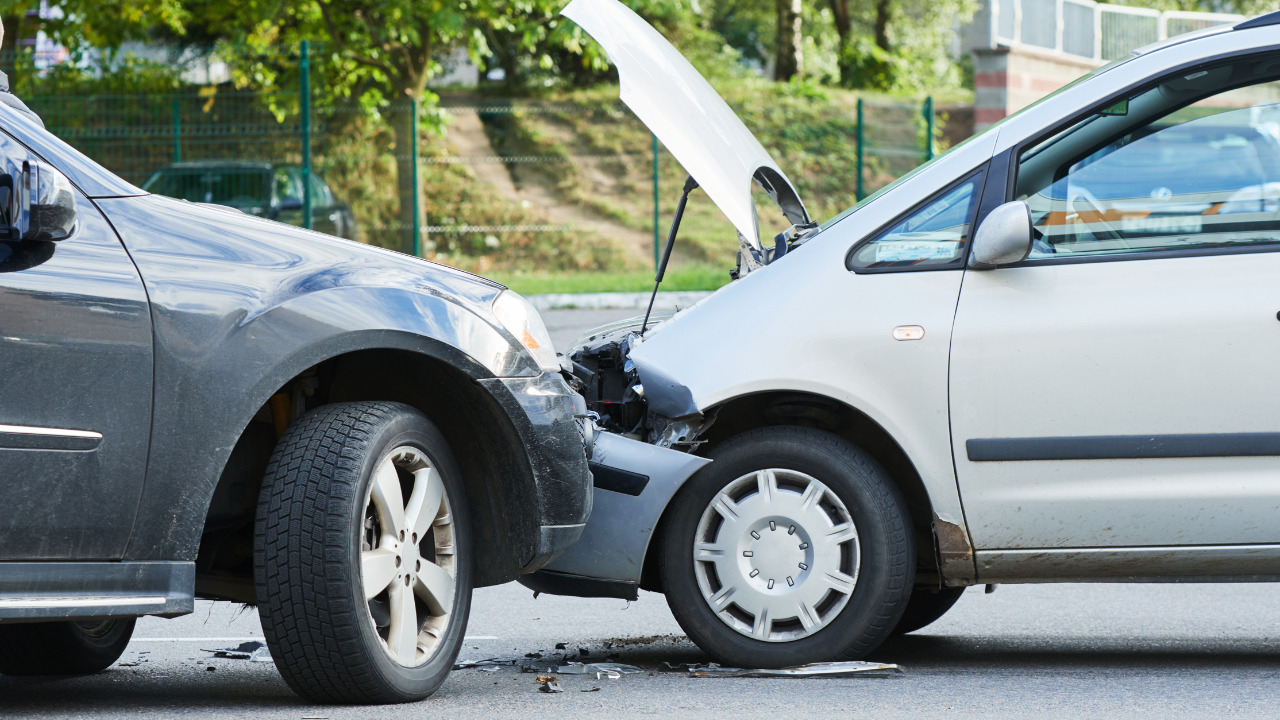
When a rideshare vehicle injures a pedestrian, cyclist, or another driver, determining liability becomes more complex. Coverage depends on the driver’s app status and the circumstances of the accident. For example, a pedestrian hit by an Uber driver waiting for a ride request would rely on the company’s limited liability policy.
Evidence like surveillance footage, traffic camera recordings, and witness statements is critical in these cases. Navigating such claims requires a thorough understanding of Illinois law, making legal representation indispensable. Let’s now tackle some complex scenarios involving uninsured drivers and assault claims.
“Our legal team is equipped with the tools to address all issues that may arise in these accidents, including identifying all liable parties, to maximize potential recovery avenues for our clients.” -Morici, Longo & Associates
Complex Scenarios: Uninsured Drivers, Multiple Vehicles, and Assault Claims
In rare cases, rideshare drivers may be uninsured or underinsured, complicating claims for victims. Multi-car pileups add another layer of difficulty, as liability may be shared among several parties. Assault claims, though less common, present unique challenges requiring specialized legal strategies.
Victims in these situations need to act swiftly to explore all available recourse options, including third-party claims or civil lawsuits. Legal experts can help untangle these complexities and secure fair compensation. Finally, let’s discuss the statute of limitations for filing claims.
[cta:Phone1]
Statute of Limitations and Timely Filing in Illinois Rideshare Accident Claims
In Illinois, victims have two years from the date of injury—or the date of death in wrongful death cases—to file a claim. Failing to meet this deadline can result in forfeiting your right to compensation entirely. Acting promptly is essential to protect your interests and ensure justice is served.
FAQ: Rideshare Accidents in Illinois – Uber/Lyft Claims in Chicago
What insurance covers me if I’m a passenger in an Uber or Lyft accident in Chicago? As a passenger, you’re covered by the rideshare company’s $1 million liability policy if the driver was actively providing a ride or en route.
What differences are there in handling Uber vs. Lyft claims after an accident? While both companies follow similar insurance structures, slight procedural differences may exist in verifying app status and processing claims.
Does it matter if the Uber/Lyft driver was logged into the app when my accident happened? Yes, the driver’s app status determines which insurance policy applies, impacting the level of coverage available.
How long do I have to file a claim after a rideshare accident in Illinois? You have two years from the date of injury—or the date of death in wrongful death cases—to file a claim.
Can I sue Uber or Lyft directly if I was injured in their vehicle? Direct lawsuits against the companies are challenging due to driver classification as independent contractors, but exceptions exist depending on the circumstances.
Conclusion
Navigating rideshare accident claims in Chicago requires a clear understanding of Illinois law and the unique insurance structures of Uber and Lyft. From the complexities of proving liability to the importance of timely action, every step demands careful consideration. The differences between rideshare and traditional car accident claims highlight the need for specialized legal guidance.
If you’ve been injured in a Chicago rideshare accident, don’t delay. Contact a qualified attorney to clarify your rights and ensure you’re fully compensated under Illinois law. Key takeaways: prompt investigation and expert legal help are crucial for securing the best possible outcome in Uber/Lyft accident claims. Reach out to The Super Lawyer today to get started!