Houston Distracted Driving Accident Lawyer
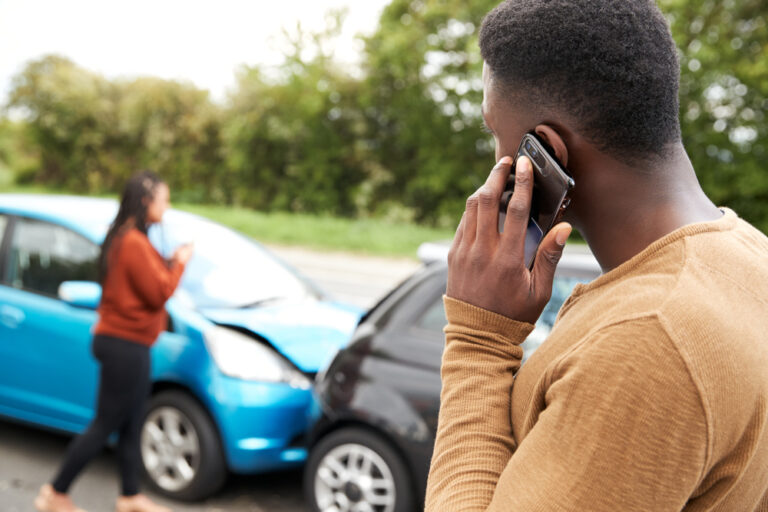
You are driving safely on a Houston highway or neighborhood street. Suddenly, another driver slams into you because they were looking at their phone instead of the road. In an instant, your life changes due to someone else’s carelessness.
At The Super Lawyer, we understand the anger and frustration that comes with these preventable crashes. When a driver chooses to text, eat, or scroll through social media behind the wheel, they put everyone at risk. If you or a loved one has been injured, you deserve justice and full financial recovery.
Our experienced legal team fights to hold negligent drivers accountable. We handle the complex legal work so you can focus on healing. Best of all, we work on a contingency fee basis, meaning you pay us nothing unless we win your case.
What Are Distracted Driving Accidents?
Distracted driving is any activity that diverts attention from driving. While cell phones are the most common culprit, distraction takes many forms. The Centers for Disease Control and Prevention (CDC) categorizes distraction into three main types:
- Visual: Taking your eyes off the road.
- Manual: Taking your hands off the wheel.
- Cognitive: Taking your mind off of driving.
Texting while driving is particularly dangerous because it combines all three types of distraction. However, accidents in Houston are also frequently caused by drivers who are:
- Eating or drinking.
- Adjusting the radio or GPS navigation.
- Talking to passengers.
- Grooming or applying makeup.
- Daydreaming or “zoning out.”
Texas Distracted Driving Laws
Texas takes distracted driving seriously. Under the Texas Transportation Code §545.425, texting while driving is illegal statewide. This law prohibits reading, writing, or sending electronic messages while operating a motor vehicle.
Additionally, Texas law places stricter bans on specific drivers:
- Drivers under the age of 18 are prohibited from using wireless communication devices entirely.
- School bus drivers cannot use cell phones while children are present.
- All drivers are banned from using handheld devices in school zones.
When a driver violates these safety laws and causes a crash, it is often considered negligence per se. This legal concept means the driver is presumed negligent because they broke a law designed to keep people safe. This can significantly strengthen your claim for compensation.
Proving Negligence in Houston Cases
Even if it seems obvious that the other driver was distracted, proving it in court or to an insurance company requires hard evidence. The at-fault driver rarely admits they were looking at their phone. This is where a specialized lawyer becomes essential.
We utilize advanced investigation techniques to gather the proof needed to win your case:
Cell Phone Records
We can subpoena the other driver’s phone records to see if they were sending texts, making calls, or using data at the exact moment of the crash.
Black Box Data
Most modern vehicles are equipped with an Event Data Recorder (EDR), also known as a “black box.” This device records critical data such as speed, braking, and steering inputs seconds before impact. Black box data can reveal if a driver never hit the brakes, suggesting they weren’t looking at the road.
Dashcam and Surveillance Video
We look for footage from nearby businesses, traffic cameras, or witnesses’ dashcam video that may have captured the driver’s behavior inside the car.
Accident Reconstruction
For severe crashes, we may work with accident reconstruction experts. They analyze skid marks, vehicle damage, and debris fields to scientifically prove how the accident occurred.
Common Injuries and Long-Term Effects
Because distracted drivers often fail to brake before impact, these collisions can occur at high speeds, resulting in severe physical trauma. We help clients who are suffering from:
[cta:Button1]- Head and Brain Injuries: Concussions and Traumatic Brain Injuries (TBI) that can affect memory and personality.
- Spinal Cord Injuries: Damage to the neck or back that may result in partial or total paralysis.
- Broken Bones: Fractures in the arms, legs, ribs, or pelvis.
- Internal Injuries: Damage to organs and internal bleeding.
- Whiplash: Severe soft tissue damage to the neck.
These injuries often require long-term rehabilitation, surgery, and expensive medication. The physical pain is often compounded by the emotional trauma of the accident.
Compensation You Can Recover
The goal of a personal injury claim is to make you “whole” again financially. In Houston, you may be entitled to various types of damages depending on the severity of your accident:
- Medical Bills: Coverage for ambulance rides, ER visits, surgeries, and ongoing physical therapy.
- Lost Wages: Reimbursement for the income you lost while recovering.
- Future Lost Earnings: Compensation if your injuries prevent you from returning to your previous job.
- Pain and Suffering: Financial compensation for physical pain and emotional distress.
- Property Damage: The cost to repair or replace your vehicle.
Steps After a Distracted Driving Crash
Protecting your rights starts immediately after the collision. If you are involved in a crash with a distracted driver, try to follow these steps:
- Call 911: Ensure a police report is filed. This is an official record of the accident.
- Seek Medical Attention: Even if you feel fine, adrenaline can mask injuries. Go to a doctor immediately to document your condition.
- Gather Evidence: If safe, take photos of the scene, vehicle damage, and the other driver’s license plate.
- Get Witness Info: Ask anyone who saw the crash for their name and phone number.
- Do Not Admit Fault: Be honest with the police, but do not apologize or say “I didn’t see them.”
- Contact a Lawyer: Speak to an attorney before giving a recorded statement to any insurance company.
Why Choose a Houston Specialist?
Insurance companies are businesses looking to save money. They often try to downplay distracted driving claims or offer lowball settlements quickly. Hiring a specialist from The Super Lawyer levels the playing field.
We know how to preserve evidence before it is destroyed. We understand the specific traffic patterns and risks in Houston. Most importantly, we handle all communication with the insurers so you aren’t tricked into saying something that hurts your claim.
Case Timelines and Expectations
Every case is unique, but it helps to know what to expect. Generally, a distracted driving case follows this timeline:
- Investigation (1-3 months): We gather medical records, police reports, and evidence of distraction.
- Negotiation (3-6 months): We send a demand letter to the insurance company and negotiate a settlement.
- Litigation (If needed): If they refuse a fair offer, we file a lawsuit. This can extend the timeline to 8-20 months depending on court schedules.
While we strive to resolve cases efficiently, we never rush if it means sacrificing the value of your settlement.
Modified Comparative Negligence Rule
Texas follows a modified comparative negligence rule. This means you can still recover compensation even if you were partially at fault for the accident, as long as you were less than 51% responsible.
[cta:Button1]For example, if a jury finds the distracted driver was 80% at fault and you were 20% at fault (perhaps for speeding slightly), your compensation would be reduced by 20%. However, if you are found to be 51% or more at fault, you cannot recover any damages. This is why having a lawyer to prove the other driver’s primary negligence is vital.