Introduction to Multi-Car Accident Challenges
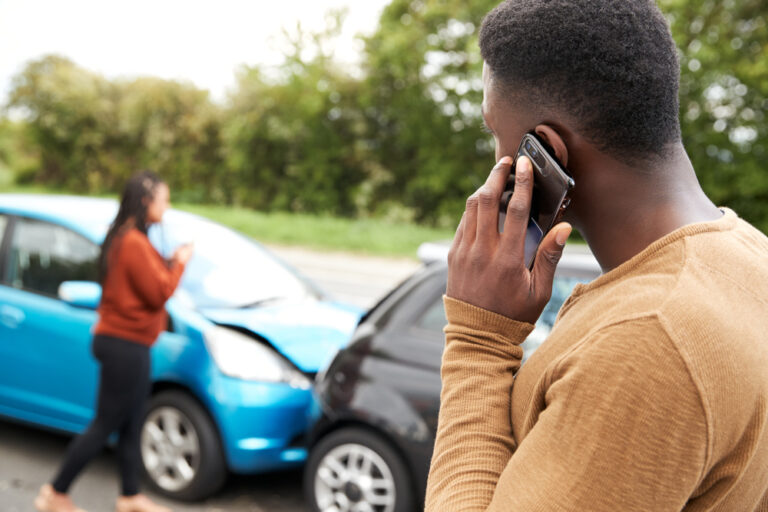
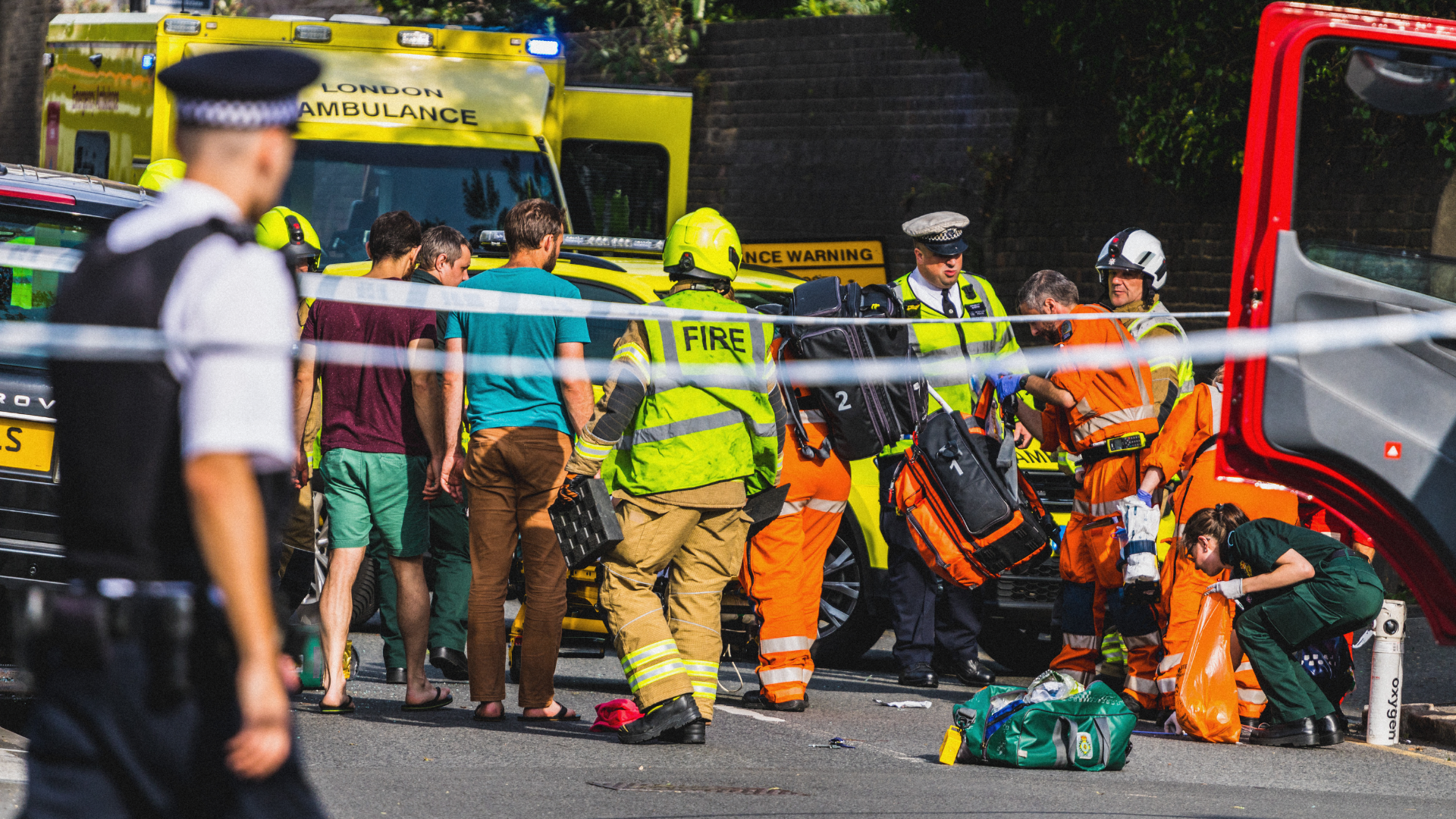
Multi-car accidents, often called pileups or chain-reaction crashes, occur when three or more vehicles are involved in a single incident. These collisions are significantly more dangerous than typical fender benders because there are multiple points of impact and heavy forces coming from different directions. Consequently, the risk for severe physical injuries and extensive property damage is much higher, leaving victims with a long road to recovery.
The main reason these cases are harder to resolve lies in the confusion surrounding who is actually to blame. In a two-car crash, it is usually clear that one driver made a mistake, but in a multi-car scenario, several drivers might have been negligent at the same time. This creates a complex puzzle where insurance companies point fingers at everyone else to avoid paying out on claims.
To navigate this chaos, experienced legal teams must step in to untangle the mess and protect the rights of the injured. By conducting thorough investigations and managing communications with multiple parties, we ensure that victims are not taken advantage of during a vulnerable time. Ultimately, skilled representation is the key to cutting through the confusion and securing the financial support needed for healing.
Determining Fault in Chain Reaction Crashes
A chain reaction crash often starts with one driver’s mistake, but that initial error can trigger a domino effect that makes assigning fault incredibly difficult. For example, if a car stops suddenly and gets rear-ended, and then a third car hits the second one, it isn’t always clear if the third driver caused the most damage or if the first driver was negligent for stopping abruptly. This ambiguity allows insurance adjusters to argue that their policyholder isn’t the one responsible for your specific injuries.
Reconstructing the exact sequence of events is one of the biggest challenges we face in these complex cases. Vehicles may spin out, cross lanes, or be struck multiple times, making it hard to tell which impact happened first based solely on the final resting position of the cars. Without a clear timeline, it becomes nearly impossible to prove exactly who owes you compensation without professional help.
To solve this puzzle, we rely heavily on evidence such as police reports and witness statements taken immediately after the crash. However, even police reports can be flawed in massive pileups because officers might not have seen the accident happen and are relying on conflicting stories from stressed drivers. Therefore, while these reports are a good starting point, they are rarely the final word on who is at fault.
This is why lawyers frequently bring in accident reconstruction experts to analyze the physical evidence scientifically. These experts look at skid marks, vehicle crush profiles, and road conditions to create a computer model of the crash. By using science to prove how the accident unfolded, we can definitively show who caused the collision and hold them accountable.
Multiple-Party Liability and Insurance Disputes
In legal terms, multi-party cases often involve concepts like “joint and several liability” or “comparative fault,” which determine how much each driver has to pay. If multiple drivers contributed to the accident, the law has to decide what percentage of the blame falls on each person. This means that instead of fighting one person for 100% of your damages, you might be seeking 60% from one driver and 40% from another.
Insurance companies use this shared liability to their advantage by blaming each other to delay the claims process. Company A will say Company B’s driver caused the real damage, while Company B blames Company C, leaving the innocent victim stuck in the middle with unpaid bills. These disputes can drag on for months or even years if there isn’t a strong attorney pushing for a resolution.
Another major hurdle is dealing with underinsured drivers and coverage limits that might not be high enough to pay for everyone’s injuries. If the at-fault driver only has the state minimum insurance but caused a ten-car pileup, there simply won’t be enough money to cover all the medical bills and car repairs. In these situations, we have to look for other sources of recovery, such as your own underinsured motorist coverage.
“One of the main factors that contribute to the seriousness of multi-vehicle collisions is the complexity of the accident scene. With multiple vehicles involved, it can be challenging for drivers to navigate the situation safely and avoid further collisions.” -Torgenson Law
Proving Causation for Injuries from Multiple Impacts
Linking Each Impact to Specific Injuries
When your car is struck more than once in a pileup, proving which specific impact caused your injury becomes a complex medical and legal debate. The defense might argue that the first bump caused your whiplash, but the second major impact didn’t add to it, trying to minimize what the second driver owes. It is crucial to differentiate these impacts to ensure every liable party pays their fair share.
We work closely with medical experts to analyze your injuries and correlate them with the mechanics of the crash. A doctor can explain how the forces involved in a side-impact differ from a rear-end collision and match those forces to your specific broken bones or soft tissue damage. This medical testimony connects the dots between the accident and your pain.
Challenges with Pre-Existing Conditions
Insurance companies love to argue that your injuries existed before the accident occurred, especially in complex multi-car cases. They will comb through your medical history to find any complaint of back pain or headaches from years ago to claim that the crash didn’t actually hurt you. This tactic is designed to lower the settlement value by shifting the blame to your body rather than their driver.
To counter this, we use thorough medical documentation to demonstrate how the accident aggravated a past condition or created a completely new injury. By comparing pre-accident health records with post-accident scans and doctor notes, we can prove that the crash significantly worsened your health. Strong evidence effectively shuts down the “pre-existing condition” excuse.
Evidence Gathering in Multi-Vehicle Cases
Preserving the scene of the accident immediately is vital because physical evidence can disappear within hours or days. Rain can wash away skid marks, and road crews will clear away debris to open the highway back up for traffic. We emphasize acting fast to capture the scene exactly as it was, which prevents the other side from changing the narrative later on.
Modern technology provides us with key evidence types that were not available in the past, such as “black box” data from vehicles and surveillance footage. The Event Data Recorder (black box) in a car can tell us the speed, braking, and steering inputs right before impact. Additionally, dash cams and nearby security cameras often catch the crash on video, providing undeniable proof of what happened.
Interviewing witnesses and reviewing police reports are also standard but critical parts of the evidence-gathering process. We track down people who saw the crash but weren’t involved, as their unbiased accounts can be very powerful in court. Combining these human elements with the hard data creates a comprehensive picture of the event.
Finally, expert testimony from engineers and reconstructionists ties all these pieces of evidence together into a clear story. These professionals can calculate the physics of the crash to prove that a specific driver was speeding or distracted. Their authority helps juries and judges understand complex mechanics, making it easier to win the case.
Navigating Claims with Multiple Insurance Companies
Dealing with one insurance adjuster is stressful enough, but in a multi-car accident, you might have to deal with three, four, or even five different companies. Each adjuster has their own agenda and will try to get you to say something that hurts your claim against their specific driver. Managing this flood of phone calls and paperwork is a full-time job that requires professional organization.
Effective negotiation tactics are essential when trying to get a fair settlement from multiple pots of insurance money. We know how to leverage the evidence to force insurers to stop pointing fingers and start putting money on the table. At The Super Lawyer, we understand how to coordinate these negotiations so that you receive the maximum total compensation available.
“Multi-vehicle accidents often involve multiple insurance companies, each attempting to minimize its share of liability. Adjusters may: Dispute fault percentages, Delay claims processing, Offer low settlements, Attempt to shift blame onto victims.” -Farar Law Group
There is always a risk of receiving “lowball” offers where insurers try to pay you pennies on the dollar just to make the case go away. We analyze these offers to see if they truly cover your future medical needs and lost wages. If the companies refuse to offer a fair amount, we are prepared to take the case to litigation to fight for what is right.

Potential Additional Liable Parties Beyond Drivers
Sometimes the drivers involved in the crash aren’t the only ones responsible; employers and trucking companies can also be held liable. If a commercial truck caused the pileup, the company that owns the truck might have failed to maintain the brakes or forced the driver to work too many hours. Identifying these corporate defendants is important because they usually have much larger insurance policies.
Government entities like the Department of Transportation can also be at fault if poor road conditions contributed to the accident. If a massive pothole, missing signage, or poor road design triggered the chain reaction, the city or state might be responsible. However, suing the government involves strict deadlines and special rules that must be followed perfectly.
Third parties, such as maintenance contractors or auto manufacturers, might also share the blame. If a mechanic recently repaired a car’s brakes negligently, or if a tire blew out due to a manufacturing defect, those parties should pay for the damage they caused. We look beyond the drivers to find every possible source of compensation.
Impact of Multiple Plaintiffs on Case Complexity
When many people are injured in the same accident, the case becomes complicated because everyone has different injuries and needs. A passenger in the back seat might have a catastrophic spinal injury, while the driver only has a broken wrist. Balancing these varying degrees of harm requires a careful approach to ensure the most severely injured get the help they need.
The biggest challenge is damage allocation, which is essentially fighting over a limited amount of insurance money. If the at-fault driver only has $50,000 in coverage but five people are injured, that money has to be split among everyone. This often leads to difficult decisions and requires aggressive advocacy to ensure you get a fair slice of the pie.
While there are benefits to joint claims where plaintiffs work together to prove the defendant’s fault, the risk of limited insurance is real. Sometimes, filing a lawsuit is the only way to discover additional assets or insurance policies. We strategize on whether to join forces with other victims or pursue a separate path for your specific claim.
How Lawyers Investigate and Build Strong Cases
The immediate steps taken after an accident set the foundation for the entire legal case. We send out letters of preservation to trucking companies and other drivers to ensure they don’t destroy evidence like logbooks or vehicle data. This proactive approach stops the defense from hiding the truth before we even get started.
Our comprehensive investigation process involves digging deeper than the police usually do. We go to the scene, take our own measurements, and track down video footage that the officers might have missed. This relentless pursuit of facts is what allows us to build a case that can stand up in court.
Working with experts and using the discovery process allows us to demand internal documents and phone records from the other drivers. We can find out if a driver was texting at the time of the crash or if a trucking company ignored safety regulations. This information is often the “smoking gun” that wins the case.
“In complex accidents with multiple vehicles, accident reconstruction experts can analyze the evidence and provide a professional opinion on the cause of the car accident. This can be particularly helpful when the cause isn’t readily apparent.” -Werner Hoffman
Protecting our clients against unfair blame is just as important as proving the other side’s fault. In multi-car accidents, everyone tries to blame everyone else, including the victims. We build a defensive wall around you to ensure that false accusations don’t reduce the compensation you are entitled to.
Settlement vs. Litigation in Multi-Car Cases
Settling a case out of court has the pro of being faster and providing guaranteed money, but it often comes with the con of a lower payout. In multi-car cases, getting all the insurance companies to agree on a settlement number can be a nightmare. However, if a fair agreement can be reached, it saves you the stress and uncertainty of a trial.
There are times when you must pursue court litigation to get full compensation, especially when insurers are denying liability or offering too little. If the facts are on our side but the insurance company is being stubborn, filing a lawsuit shows them we are serious. This pressure often forces them to increase their offers significantly.
For example, we have seen cases where an initial offer was $20,000, but after filing a lawsuit and hiring experts, the final recovery was the full policy limit of $100,000 or more. Litigation takes longer, but for severe injuries in complex crashes, it is often the only way to get justice. We guide you through this choice carefully.
Calculating Damages in Complex Multi-Car Injuries
Damages are generally split into economic damages, like medical bills and lost wages, and non-economic damages, like pain and suffering. In a multi-car crash, the economic damages are easy to add up, but the non-economic damages are harder to value. We use our experience to put a dollar figure on the trauma and lifestyle changes you have suffered.
The impact of shared liability can reduce your final payout, which is why we fight so hard to prove you were not at fault. If a jury decides you were 20% responsible for the crash, your total award gets reduced by that 20%. Our goal is to minimize your percentage of fault to maximize the money that goes into your pocket.
Maximizing recovery requires skilled valuation that looks at your future needs, not just your past bills. We calculate future surgeries, ongoing therapy, and the long-term impact on your career. By presenting a complete picture of your life post-accident, we ensure the settlement covers you for the long haul.
Common Mistakes to Avoid After a Multi-Car Crash
One of the biggest mistakes people make is admitting fault or giving recorded statements to insurance adjusters without counsel. You might say “I’m sorry” just to be polite, but the insurance company will record that as an admission of guilt. It is critical to let your lawyer handle all talking to prevent these accidental slip-ups.
Delaying medical care is another huge error that can ruin your case. If you wait two weeks to see a doctor, the insurance company will argue that you weren’t really hurt in the crash or that you got hurt somewhere else in the meantime. Going to the doctor immediately creates a medical record that links the accident to your injuries.
Finally, signing quick settlements is a trap that many victims fall into because they need cash fast. Insurance companies will offer a small check right away in exchange for you signing away your right to sue for more later. Once you sign that release, you cannot go back for more money, even if you find out you need surgery later.
FAQ
What makes fault determination harder in multi-car accidents?
It is harder because there are multiple impacts and drivers, making it difficult to identify the primary cause and sequence of events.
How do multiple insurance companies affect my claim?
They often blame each other to delay payment, and you may have to negotiate with several adjusters simultaneously.
Can I sue multiple parties in one lawsuit?
Yes, you can and often should sue all negligent parties in one lawsuit to ensure total damages are covered.
What evidence is most important in these cases?
Accident reconstruction reports, witness statements, black box data, and medical records are the most critical pieces of evidence.
Should I hire a lawyer for a multi-car injury case?
Yes, due to the complexity of liability and insurance disputes, hiring a lawyer is highly recommended to protect your interests.
Conclusion
Multi-car accidents present a unique set of challenges that go far beyond the typical fender bender, including disputes over who is at fault and complex battles with multiple insurance carriers. The confusion of the crash scene often follows victims into the claims process, making it difficult to get straight answers or fair payments. Without professional help, it is easy to get lost in the finger-pointing and end up with less than you deserve.
However, expert legal handling can overcome these obstacles by using advanced investigation techniques and aggressive negotiation strategies. We know how to reconstruct the accident, gather the right evidence, and hold every liable party accountable for their share of the damage. Our goal is to take the burden off your shoulders so you can focus on recovering while we handle the legal fight.
The key takeaways for any victim are to act quickly, preserve all evidence, avoid speaking to insurers without advice, and seek experienced representation immediately. Avoiding common pitfalls like delaying medical care or signing early settlements can make a massive difference in the final outcome of your case. Being proactive is the best way to secure maximum compensation.
If you have been injured in a multi-car accident, do not try to fight the insurance companies alone. Contact our team today for a free consultation to evaluate your case and fight for the compensation you deserve in these harder injury claims. We are ready to help you navigate this complex process.