Understanding Commercial Trucking Risks on I-45 and I-35 in Texas
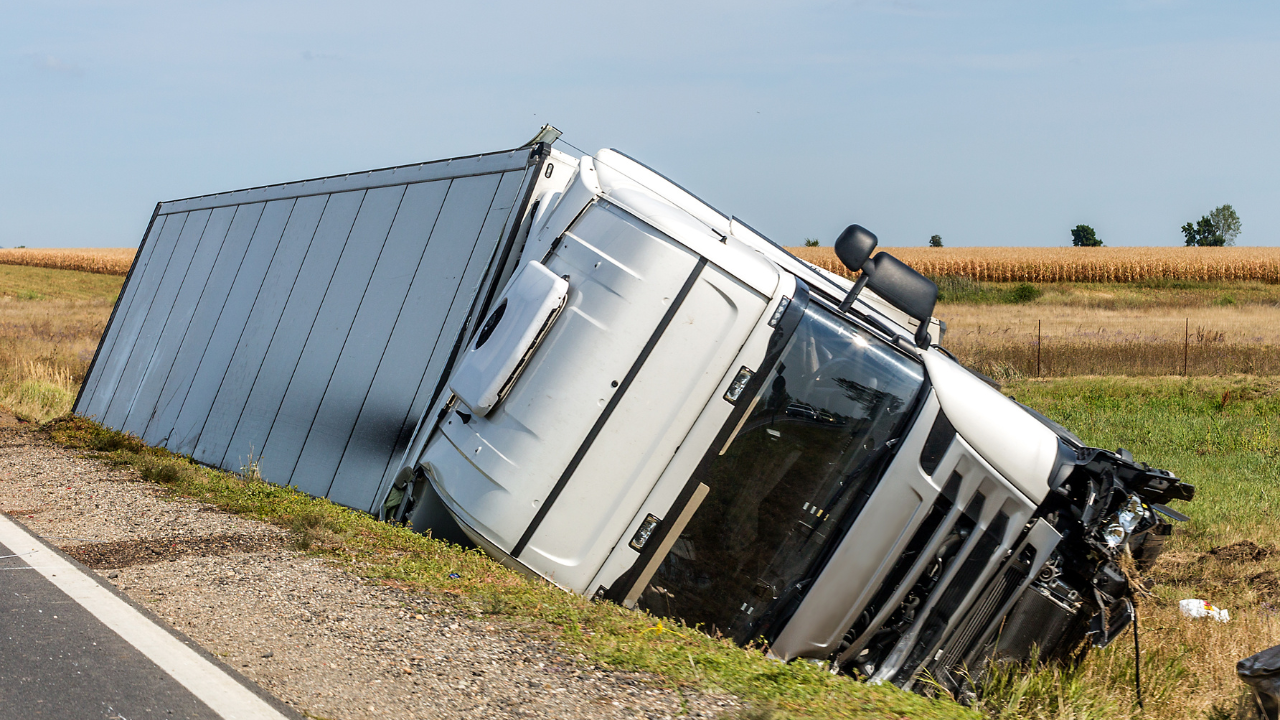
Interstate 45 and Interstate 35 are two of the busiest and most dangerous highways in Texas, serving as critical arteries for moving freight across the state and the country. These corridors handle a massive volume of heavy truck traffic every day, connecting major economic hubs like Dallas, Houston, Austin, and San Antonio. Because of the sheer number of 18-wheelers sharing the road with passenger cars, along with constant construction and congestion, the risk of a severe crash is incredibly high. Unfortunately, when a massive commercial vehicle collides with a smaller car, the results are often catastrophic
When a crash happens on these major interstates, figuring out who is to blame is rarely as simple as pointing a finger at the truck driver. Unlike a standard fender-bender between two sedans, commercial truck accidents in Texas often involve a web of different companies and individuals who might share responsibility. Understanding that there are multiple liable parties is the first step for victims who need to recover fair compensation for their injuries and losses.
Why Truck Accidents Often Involve Multiple Liable Parties in Texas
Commercial trucking is a complex industry where many different hands play a part in getting a single shipment from point A to point B. A typical trucking operation involves not just the driver behind the wheel, but also the motor carrier that hired them, the owner of the tractor or trailer, and the companies responsible for maintaining the vehicle. Because so many different entities have duties to ensure safety, negligence can occur at several different levels, leading to overlapping layers of fault.
Furthermore, the movement of cargo along corridors like I-45 and I-35 is usually governed by various contracts between shippers, loaders, and freight brokers. For example, one company might own the truck, another might employ the driver, and a third company might be responsible for loading the cargo securely. This fragmentation means that when a crash occurs, liability and insurance coverage are often split among these different businesses, making the legal process much more complicated than a standard personal injury claim. Resources like https://thesuperlawyer.com can be helpful for those trying to navigate these complicated legal waters to find the right representation.
Identifying every single responsible entity is absolutely critical for ensuring full compensation for the victim. In many cases, the truck driver may have limited insurance coverage or financial assets, whereas the trucking company or the shipper likely carries much larger commercial insurance policies. By pinpointing all liable parties, injured victims can access the necessary financial resources to cover their medical bills, lost wages, and long-term recovery needs.
Key Potentially Liable Parties After a Truck Crash on I-45 or I-35
In the aftermath of a wreck on a Texas interstate, it is important for victims to look beyond the driver when assessing fault. While the person behind the wheel is the most obvious party to blame, they are often just one piece of a larger puzzle involving corporate negligence. Texas law allows victims to pursue claims against any party whose negligence contributed to the accident, which helps ensure that justice is fully served.
The truck driver is certainly the first person to investigate, as their actions on the road are the direct cause of the collision. Drivers can be held personally liable if they were speeding, driving while distracted, under the influence of drugs or alcohol, or violating traffic laws. However, because drivers are often acting as employees, their liability is frequently tied to the company they work for.
The motor carrier, or trucking company, is frequently a primary defendant in these cases due to their responsibility for the driver and the vehicle. Companies can be held liable not only for the driver’s mistakes but also for their own direct negligence, such as creating unsafe policies or failing to supervise their employees. If a company pressured a driver to speed to meet a deadline, the company shares the blame for the resulting crash.
Third parties, such as cargo owners, shippers, and loading companies, also play a significant role in safety on I-45 and I-35. If a third-party logistics company hires a carrier with a terrible safety record, or if a loading crew fails to balance the freight properly, they can be held accountable. Unbalanced cargo can cause a truck to tip over or jackknife, making the loaders just as responsible as the driver for the accident.
Finally, there are other possible defendants that might fly under the radar, such as vehicle manufacturers, maintenance contractors, or even government entities. If a brake failure caused the crash, the mechanic who last serviced the truck or the manufacturer of the brake part could be liable. In rare cases, if a dangerous road condition on I-35 contributed to the wreck, the government agency responsible for road maintenance might also face a claim.
“Under Texas law, an injured party can recover damages if they are determined to be 50% or less at fault for the accident.” -Lino Ochoa, PLLC
Vicarious Liability and Employer Responsibility Under Texas Law
One of the most powerful legal tools in truck accident cases is the doctrine of “vicarious liability,” also known as respondeat superior. This legal principle holds an employer responsible for the actions of their employees, provided those employees were working within the scope of their employment at the time of the incident. In simple terms, if a truck driver causes a crash while on the job, their employer is usually on the hook for the damages.
To prove vicarious liability in an I-45 or I-35 commercial wreck, the victim must demonstrate a few key elements. First, it must be proven that the driver was an actual employee and not an independent contractor, although this distinction can sometimes be challenged. Second, the driver must have been performing job-related duties, such as hauling cargo or driving to a pickup location, when the negligence occurred. Establishing this link is vital for holding the trucking company financially accountable.
Proving vicarious liability is a game-changer because it opens up access to the trucking company’s commercial insurance limits. These policies are typically much larger than personal auto insurance policies, often reaching into the millions of dollars. This is essential for covering the catastrophic damages often seen in commercial trucking accidents, ensuring that victims aren’t left with unpaid bills due to a driver’s inability to pay.
Direct Negligence by Trucking Companies, Shippers, and Other Businesses
It is important to clarify the difference between vicarious liability and direct negligence claims against companies involved in a crash. While vicarious liability is about the company being responsible for the driver’s actions, direct negligence accuses the company of its own bad behavior. This means the company itself made mistakes or cut corners that directly contributed to the accident on the highway.
Common theories of direct negligence against motor carriers include negligent hiring, training, and supervision. For instance, if a trucking company hired a driver with a history of DUI convictions without running a background check, the company is directly negligent. Similarly, if they failed to train the driver on how to handle the vehicle in bad weather or pressured them to violate hours-of-service rules to make a delivery faster, the company is at fault for creating a dangerous environment.
“Identifying every responsible party is one of the most important tasks in a commercial trucking lawsuit.” -Will Adams Law Firm
Shippers, loaders, and warehouse staff can also be sued for direct negligence if their actions made the truck unsafe. If a shipper overloads a trailer beyond its legal weight limit or fails to secure heavy equipment properly, the cargo can shift during transit. This shifting weight can cause the driver to lose control on a busy highway like I-45, making the shipper directly responsible for the resulting chaos.
Freight brokers and logistics companies are not immune to direct negligence claims either. These companies have a duty to select safe and qualified carriers to transport goods. If a broker hires a “fly-by-night” trucking company with a known history of safety violations just to save a few bucks, and that truck causes a crash, the broker can be held liable for negligent selection.

How Texas Comparative Fault and Multi-Party Liability Work
Texas operates under a legal system known as “modified comparative fault,” which changes how damages are awarded when multiple parties are to blame. Under this system, a jury or judge will assign a percentage of fault to everyone involved in the accident, including the victim. This means that liability is not an “all or nothing” situation; instead, it is divided based on each party’s contribution to the crash.
A crucial part of this system is the “51% bar rule.” This rule states that an injured person can only recover damages if they are found to be 50% or less at fault for the accident. If a victim is found to be 51% or more responsible, they are barred from recovering any money at all. Additionally, if a victim is partly at fault (for example, 20%), their total compensation will be reduced by that same percentage.
When multiple corporate and individual defendants are involved in a single I-45 or I-35 crash, the allocation of fault becomes very complex. One defendant might be 60% at fault, while another is 40% at fault. This makes careful fault allocation and strong evidence critical, as defendants will often try to point fingers at each other—and at the victim—to lower their own share of the financial burden.
“Under a legal doctrine known as ‘vicarious liability,’ commercial trucking companies are financially responsible when their employees are negligent while on duty.” -Loewy Law Firm
Texas-Specific Laws Affecting Commercial Trucking Accident Claims (HB 19 and More)
Recent changes in Texas law, specifically the passage of House Bill 19 (HB 19), have created a unique and challenging environment for commercial vehicle lawsuits. This legislation was designed to protect trucking companies from what were perceived as frivolous lawsuits, but it has also added hurdles for legitimate victims. Understanding these specific statutes is vital for anyone pursuing a claim for a crash on a major Texas corridor.
One of the biggest changes brought by HB 19 is the potential for a bifurcated, or two-phase, trial process. In many cases, the trial is split: the first phase focuses solely on the driver’s negligence and the amount of compensatory damages. Only if the driver is found liable can the case proceed to a second phase, where the victim can present evidence of the trucking company’s direct negligence. This strategy is meant to prevent juries from being influenced by a company’s bad safety history during the initial phase.
These procedural changes make early legal intervention more important than ever. Attorneys must be precise in how they plead their cases and diligent in preserving evidence that meets specific statutory requirements. Navigating these rules requires a deep understanding of Texas civil procedure to ensure that a victim’s right to sue the employer is preserved despite the new barriers.
Evidence Needed to Prove Multiple Liable Parties in a Truck Case
Untangling the web of liability in a multi-party truck wreck requires a massive amount of evidence. It is not enough to just have photos of the damage; attorneys must dig into corporate records and electronic data to prove who dropped the ball. This investigation is often a race against time, as trucking companies may legally destroy certain records after a specific period.
Specific records are essential for building a case against carriers and drivers. This includes the driver’s daily logs, data from the Electronic Logging Device (ELD), and the truck’s “black box” or Electronic Control Module (ECM). These digital footprints can reveal if the driver was speeding, how long they had been driving without a break, and their braking patterns right before the impact. Bills of lading and dispatch records are also crucial for linking shippers and brokers to the load.
“Truck wrecks often involve more than one responsible party.” -Sellers Law Firm
Traditional evidence remains important as well. Police reports, high-quality photos of the crash scene, and skid mark measurements help reconstruct the physical reality of the accident. Dashcam footage from the truck or nearby vehicles, along with surveillance video from businesses along I-45 or I-35, can provide irrefutable proof of what happened. Eyewitness statements further corroborate the timeline of events.
Finally, expert witnesses are almost always necessary in these complex cases. Accident reconstructionists use science to explain how the crash occurred, while trucking safety experts can testify about how the company violated federal regulations. Medical experts are also needed to connect the specific forces of the crash to the victim’s injuries, ensuring that every defendant is held accountable for the harm they caused.
Common Accident Scenarios with Multiple Liable Parties on I-45 and I-35
Certain accident patterns appear frequently on Texas interstates, often pointing to shared fault among several parties. Recognizing these scenarios helps victims and their lawyers identify where to look for negligence. These crashes are rarely just “accidents”; they are often the predictable result of systemic failures.
One common scenario involves a fatigued or impaired driver combined with negligent company oversight. For example, a driver might fall asleep at the wheel on I-35 because they have been driving for 14 hours straight. While the driver is at fault, the trucking company is also liable if they set unrealistic delivery deadlines that forced the driver to skip rest breaks or if they failed to conduct mandatory drug testing.
Another frequent issue is accidents caused by overloaded or improperly secured cargo. If a flatbed truck drops debris on I-45, causing a pileup, the blame may be shared. The driver should have checked the load, the motor carrier should have provided proper securement equipment, and the third-party shipper who loaded the truck may have violated safety standards. All three could be defendants in the lawsuit.
“Multiple parties may share responsibility in a cargo spill crash. Determining liability requires a thorough investigation into records, equipment, and company practices.” -Tyson Law Firm
Mechanical failures, such as tire blowouts or brake failures, also lead to multi-party claims. If a tire explodes and causes a truck to swerve into traffic, the investigation might reveal that the trucking company ignored maintenance schedules. However, it might also show that a maintenance vendor did a poor repair job, or that the tire manufacturer sold a defective product. In this case, the carrier, the mechanic, and the manufacturer could all be on the hook.
What Injured Victims Should Do After a Commercial Truck Crash on I-45 or I-35
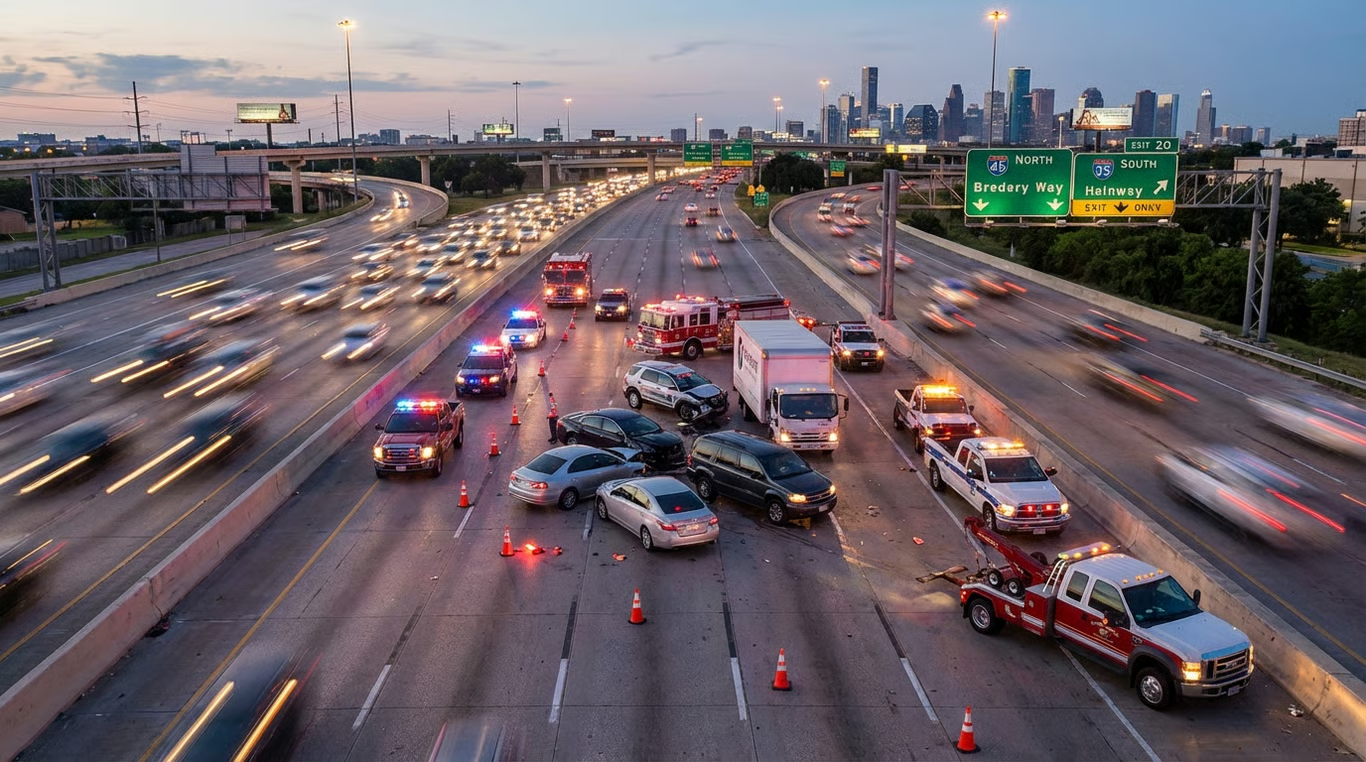
The moments immediately following a collision with a commercial truck are chaotic and terrifying, but taking the right steps is crucial for both health and legal protection. The absolute first priority is safety and medical attention. Victims should call 911 immediately and seek a medical evaluation, even if they feel okay, as adrenaline can mask serious injuries like internal bleeding or whiplash.
If it is safe to do so, gathering evidence at the scene can make a huge difference later on. Victims should try to take photos of the vehicles, the license plates, and the DOT numbers on the side of the truck cab. Getting contact information from the driver and any witnesses is also vital. However, safety should never be compromised to get a picture.
It is extremely important for victims to be cautious when dealing with insurance adjusters. Representatives for the trucking company, shipper, or broker may reach out quickly, trying to get a recorded statement or offering a quick settlement. Victims should avoid giving detailed statements or signing any releases without legal advice, as these companies are looking to minimize their payout, not help the victim.
Because of the complexity of these cases, consulting a Texas truck accident lawyer is highly recommended. An attorney can send “spoliation letters” to stop the trucking company from destroying evidence and can begin the investigation into all potential defendants. Services like https://thesuperlawyer.com can assist in finding experienced legal counsel who understands how to handle multi-defendant cases on major Texas highways.
Damages and Insurance in Multi-Party Texas Trucking Claims
Victims of commercial trucking accidents are often entitled to significant compensation due to the severity of the injuries involved. Typical damages include reimbursement for past and future medical expenses, lost wages from time off work, and diminished earning capacity if the victim cannot return to their old job. Non-economic damages, such as pain and suffering, mental anguish, and physical impairment, are also recoverable.
One of the distinct aspects of trucking cases is the insurance structure. Commercial trucks carry large insurance policies, often starting at $750,000 and going up into the millions for hazardous materials. Furthermore, large trucking operations often have “excess” or “umbrella” policies that kick in once the primary policy is exhausted. When shippers and brokers are also involved, their insurance policies add even more layers of coverage.
Identifying multiple defendants is a strategic way to maximize financial recovery. If a victim’s damages exceed the driver’s or the carrier’s insurance limits, bringing in other liable parties like the shipper or a maintenance company can provide additional pools of money. This ensures that seriously injured victims and their families receive the full support they need to rebuild their lives.
FAQ: Commercial Trucking Accidents in Texas – Multiple Liable Parties on I-45 / I-35
Who can be held liable after a commercial truck accident on I-45 or I-35 in Texas?
Liability in these accidents can extend far beyond the driver. Depending on the specific facts of the crash, you may be able to hold the motor carrier (trucking company), the owner of the trailer, the company that loaded the cargo, the freight broker who arranged the shipment, third-party maintenance shops, parts manufacturers, and even government entities responsible for road design liable for your injuries.
How does Texas’s comparative fault rule affect my multi-party truck accident claim?
Texas uses a modified comparative fault rule with a 51% bar. This means the court assigns a percentage of fault to every party involved. As long as you are 50% or less at fault, you can recover damages, but your payout will be reduced by your percentage of blame. If multiple defendants are at fault, they will each be responsible for a share of the damages based on their contribution to the accident.
Why are commercial truck accident claims on I-45 and I-35 more complex than regular car accident cases?
These cases are more complex because they involve strict federal trucking regulations (FMCSA), corporate defendants with aggressive legal teams, and multiple insurance policies. Unlike a car crash, there is often a massive amount of electronic evidence to analyze, and the legal strategies used by defense lawyers to shift blame among the various companies can be very sophisticated.
What evidence helps prove that multiple companies share responsibility for my injuries?
Key evidence includes the truck’s “black box” (ECM) data, the driver’s electronic logs (ELD), and their qualification files. Additionally, contracts between the carrier and the shipper or broker, bills of lading, maintenance records, and loading manifests are essential. Expert crash reconstruction and testimony on trucking industry standards are also used to link corporate negligence to the crash.
Do I really need a Texas truck accident attorney to handle a multi-defendant I-45/I-35 case?
Yes, practically speaking, you do. These cases involve complex liability laws and aggressive insurance companies that want to pay you as little as possible. An attorney is necessary to send spoliation letters to preserve electronic data before it’s deleted, investigate every potential defendant, and coordinate claims across multiple insurance policies to ensure you get the maximum compensation possible.
Conclusion: Protecting Your Rights After a Multi-Party Truck Accident on I-45 or I-35
Commercial trucking accidents on Texas interstates are rarely straightforward events. They frequently involve a mix of liable parties, including drivers, motor carriers, shippers, loaders, and brokers, all of whom may share responsibility for the devastation caused. Correctly identifying each of these parties is essential to maximizing your recovery. With Texas’s comparative fault rules, the nuances of vicarious liability, and the possibility of direct negligence claims against corporations, having a clear legal strategy is the only way to ensure justice is served.
If you or a loved one has been injured in a crash involving a commercial vehicle on I-45 or I-35, do not wait to seek help. Evidence like black box data can disappear quickly, and new laws like HB 19 make the legal process more challenging to navigate alone. Consult with an experienced Texas truck accident attorney immediately to investigate every potential defendant and fight for the full compensation you deserve. Your future recovery depends on holding every responsible party accountable today.