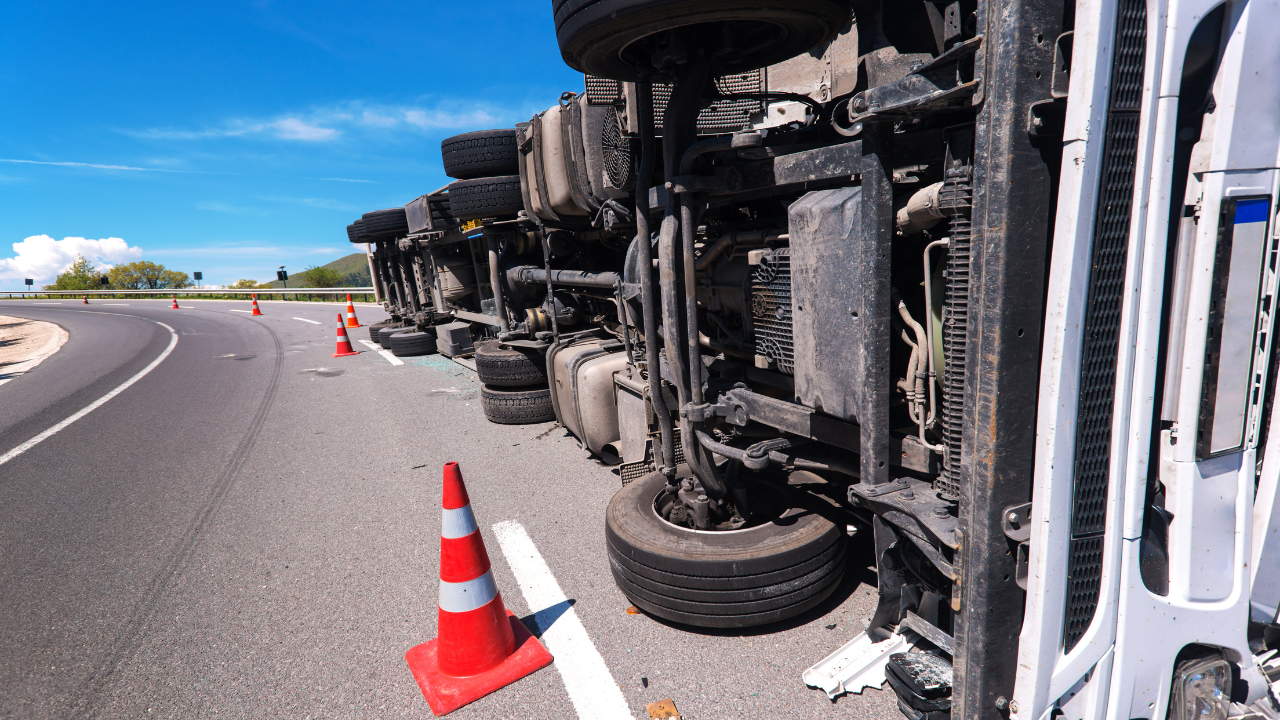
A cross-state truck crash occurs when a commercial vehicle registered in one state, like Missouri, collides with a passenger car registered in another state, such as Georgia. These accidents are far more complicated than a standard fender-bender between two local drivers because they involve interstate commerce laws and long-distance logistics. When a massive 18-wheeler from Missouri hits a local car on a Georgia highway, the physical damage is often severe, but the legal mess that follows can be just as overwhelming for the victims involved.
The main reason these cases are so tricky involves the clash of different rules and players. You have to deal with Georgia’s traffic laws, Missouri’s business regulations for the trucking company, and federal rules that cover all interstate travel. Additionally, there are often overlapping insurance policies that can make it hard to figure out who pays for the damage. Because of these layers, coordination between legal systems in Missouri and Georgia is often required to get a fair result for the injured driver.
Immediate Steps to Take at the Scene in Georgia After Being Hit by an Out-of-State Truck
Your safety is the absolute priority immediately after a collision with a large truck. If you can move your car to the shoulder and away from traffic, do so immediately, then call 911 to get police and paramedics on the way. Even if you feel okay, you must seek medical attention right away because adrenaline can hide serious injuries like whiplash or internal bleeding. Getting checked out by a doctor creates an official record of your injuries, which is vital for your health and any future claim.
Once you are safe, start gathering as much evidence as you can from the scene. Take clear photos of the vehicles, the license plates, the truck’s DOT number, and the road conditions. It is also critical to get the truck driver’s license information, insurance details, and the name of the trucking company they work for. Make sure to get the police report number before you leave, as this document will be the foundation of your case in a multi-jurisdictional claim.
After the dust settles, contacting a truck accident lawyer is the next crucial step. Trucking companies and their insurers often have teams ready to respond within hours of a crash to protect their own interests. Because the truck is from Missouri and you are in Georgia, you need legal help to navigate the distance and the laws. Firms like https://thesuperlawyer.com specialize in handling these complex situations to ensure your rights are protected against big out-of-state corporations.
Which Law Applies? Georgia vs. Missouri Fault Rules in Cross-State Truck Crashes
One of the first questions in a cross-state crash is determining which state’s laws will apply to the case. Generally, if the accident happens on a Georgia road, the courts will apply Georgia law regarding liability and damages. This is known as “choice of law,” and it usually favors the location where the injury occurred. However, certain disputes regarding the trucking company’s internal policies or insurance contracts might involve Missouri law, making the legal landscape tricky to navigate. ⚖️
It is important to understand that Georgia follows a “modified comparative negligence” rule. This means that if you are found to be 50% or more at fault for the accident, you cannot recover any money for your injuries. This is different from Missouri, which follows a “pure comparative fault” rule where you could still get paid even if you were 99% at fault. Because the crash happened in Georgia, the stricter Georgia rule will likely apply, meaning the defense will try hard to pin at least half the blame on you to avoid paying.
Courts and insurance adjusters will carefully evaluate which laws govern specific parts of the case. While the rules of the road are based on Georgia statutes, issues regarding the trucking company’s hiring practices might be looked at through the lens of where the company is based. This is why having a lawyer who understands both Georgia and Missouri trucking cases is so valuable. They can argue for the application of laws that best support your claim for compensation.
“After a truck accident in Georgia, expect to call 911, seek medical attention, gather evidence, and contact a lawyer. The process includes investigation, insurance claims, and, if necessary, filing a lawsuit.” -McManes Law
Liability in a Missouri Truck vs. Georgia Car Crash: Who Can Be Held Responsible?
In a typical car accident, you usually just sue the other driver, but truck crashes are different because there are many potential defendants. You can certainly hold the Missouri truck driver responsible for their driving, but you can also look at the trucking company that hired them. Other responsible parties might include the owner of the truck, the team that loaded the cargo, or the mechanics who were supposed to maintain the brakes. Identifying all these parties is key to finding enough insurance coverage to pay for serious injuries.
Investigations into liability go far beyond just looking at skid marks on the road. Lawyers will look at the driver’s actions, such as speeding or distracted driving, but they will also dig into the company’s history. They will check if the Missouri-based company hired a driver with a bad record or failed to train them properly on safety protocols. If the company pushed the driver to break hours-of-service rules to deliver cargo faster, the company itself can be held directly liable for the crash.
This concept is known as vicarious liability, which means an employer is responsible for the actions of their employees while they are on the job. This is huge for injured Georgia drivers because trucking companies have much larger insurance policies than individual drivers. By using employer responsibility laws, your attorney can pursue the trucking company’s assets. This ensures that you aren’t left with unpaid medical bills just because the individual driver doesn’t have enough money.
Investigations and Evidence in Cross-State Truck Accidents
After a serious truck crash in Georgia, the investigation happens on multiple levels. Local law enforcement will do their report, but the trucking company and their insurance provider will send their own investigators to the scene almost immediately. Sometimes, federal agencies like the NTSB might even get involved if the crash is severe enough. This rapid response from the defense means you need your own legal team working just as fast to preserve the truth.
“Georgia follows a modified comparative negligence rule under Georgia Code § 51-12-33, meaning victims can recover damages as long as they’re less than 50% at fault, but their compensation is reduced by their share of fault.” -Hawk Law Group
Trucking accidents involve specific types of evidence that you don’t find in regular car crashes. The most important piece is often the “black box” or Electronic Logging Device (ELD), which records the truck’s speed, braking, and hours of operation. Attorneys also need to secure the driver’s logbooks, GPS records, and maintenance files from the Missouri headquarters. If this evidence isn’t demanded quickly, it can be “lost” or deleted by the trucking company.
Gathering this evidence often requires legal power, such as subpoenas, that reach across state lines into Missouri. A Georgia attorney may need to depose witnesses in Missouri or demand corporate records from the trucking company’s home office. Furthermore, if the truck driver receives a traffic ticket or faces criminal charges in Georgia, the evidence from that case can be very helpful in your civil lawsuit for money damages.
Insurance Coverage and Policy Limits in Missouri–Georgia Truck Collisions
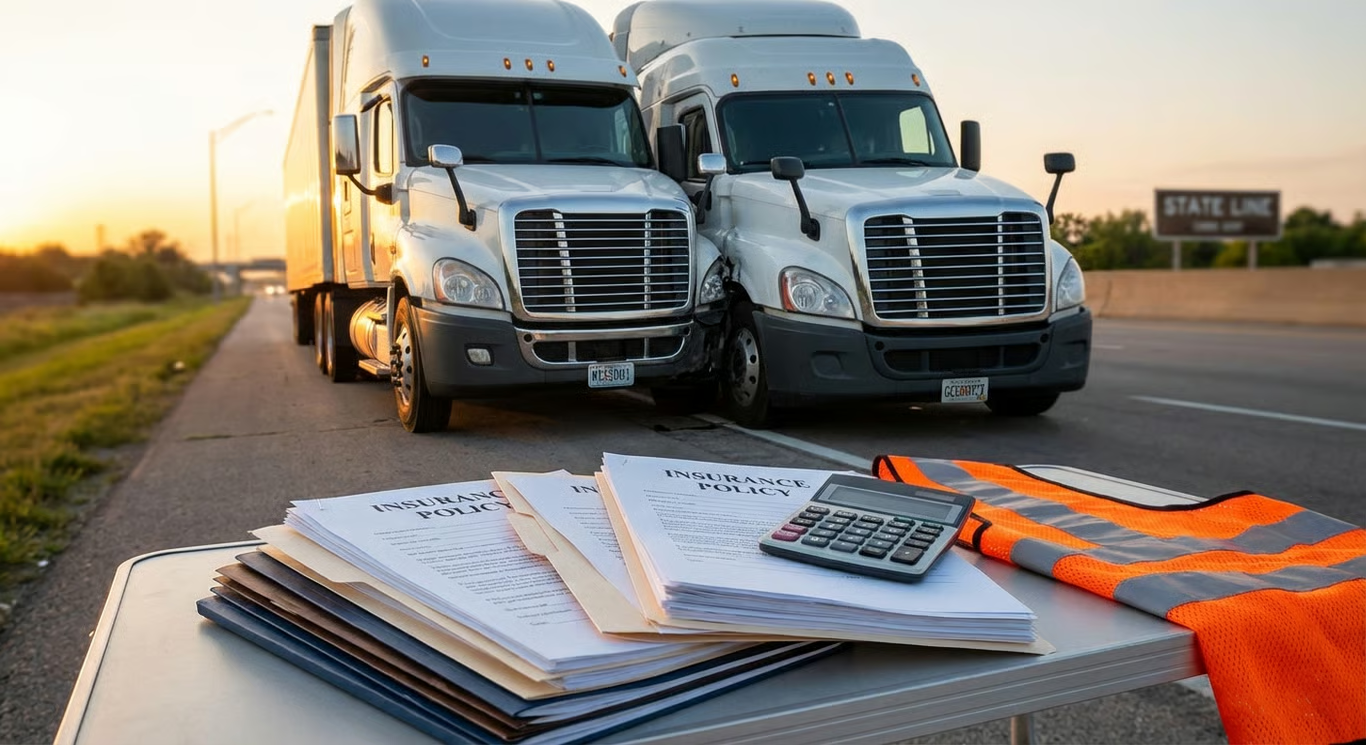
Commercial truck insurance is much more complex and has higher limits than a standard personal auto policy. A big rig usually carries a primary liability policy, but there are often excess policies or “umbrella” coverage that kick in for catastrophic accidents. These policies are designed to cover the massive damages that heavy trucks can cause. Understanding how these different layers of insurance work is essential to getting full compensation.
Federal regulations set minimum insurance requirements for motor carriers involved in interstate commerce, which helps protect victims. However, the specific amount available can depend on the type of cargo being hauled and the size of the truck. The trucking company’s own risk management choices also play a role. Sometimes, a company might try to hide assets or claim that a trailer was leased to avoid using their main insurance policy.
“In Georgia, the statute of limitations for filing a personal injury lawsuit after a truck accident is generally two years from the date of the accident, as per O.C.G.A. § 9-3-33.” -T. Madden & Associates
Insurance adjusters are notorious for using tricky tactics in cross-state claims to save money. They might try to argue that the lawsuit should be filed in a venue that is less friendly to victims, or they may ask for a recorded statement to twist your words. They often make lowball offers early on, hoping you are desperate for cash. It is vital for Georgia victims to avoid dealing with these multiple insurers alone and instead let a professional handle the negotiations.
Compensation Available to Georgia Drivers After a Cross-State Truck Crash
Victims of truck crashes often face a long road to recovery, and the compensation should reflect that. You can claim economic damages, which include all your medical bills, hospital stays, and physical therapy costs. Additionally, if you cannot work because of your injuries, you are entitled to lost wages and compensation for diminished earning capacity if you can’t return to your old job. You can also recover the cost of repairing or replacing your vehicle and any other out-of-pocket expenses.
Beyond the financial losses, you can also seek non-economic damages. These cover the physical pain and suffering you endured, as well as the emotional distress caused by the trauma of the crash. In many truck accident cases, the injuries are life-changing, leading to a loss of enjoyment of life. Because the impact of a semi-truck is so massive, these non-economic damages can end up being a significant part of the final settlement.
In rare cases, punitive damages might be available if the trucking company’s behavior was especially bad. For example, if the Missouri company knew the driver was dangerous but hired them anyway, or if they ignored critical brake repairs to save money, a Georgia court might award extra damages to punish them. These are meant to send a message that safety violations will not be tolerated on Georgia roads.
“Truck accidents can be devastating, leaving victims with severe injuries, emotional distress, and financial burdens. Knowing what to expect during the legal process can help you navigate your claim efficiently and maximize your compensation.” -McManes Law
Deadlines and Statutes of Limitations in Georgia and Missouri Truck Accident Claims
Time is not on your side after a truck accident, primarily because of the statute of limitations. In Georgia, you typically have two years from the date of the crash to file a personal injury lawsuit. If you miss this deadline, you will likely lose your right to sue forever, no matter how bad your injuries are. Waiting too long also hurts your case because witnesses forget details and physical evidence like skid marks or vehicle damage disappears.
While Georgia’s two-year rule usually applies because the crash happened there, it is important to be aware of Missouri laws as well. Missouri generally has a longer statute of limitations for personal injury, but relying on that is risky and usually incorrect for a Georgia crash. Furthermore, deadlines can be different for wrongful death claims or property damage claims. This confusion over deadlines is exactly why cross-state crashes need to be evaluated by a lawyer immediately.
How a Georgia Truck Accident Lawyer Handles a Crash with an Out-of-State Missouri Truck
The legal process starts with a deep dive into the details of the crash during an initial consultation. Your lawyer will review the police crash reports, your medical records, and the insurance policies involved. They will specifically look for jurisdictional issues related to the Missouri-based defendants to determine the best strategy. This early evaluation helps set the roadmap for the entire case.
Once retained, the attorney takes over the burden of coordinating the investigation. They will send “spoliation letters” to the Missouri trucking company, legally demanding that they preserve all evidence, including the black box data and driver logs. Your lawyer will also handle all communication with the multiple insurance adjusters and defense lawyers, ensuring that you don’t accidentally say something that hurts your claim.
“Missouri truck accident victims have five years to file a claim for compensation, but evidence can get lost or degrade if legal steps are not taken quickly.” -Beck Law Office
The final phase involves fighting for your money through negotiations or court. Your lawyer will prepare a demand package outlining all your injuries and financial losses. If the insurance company refuses to pay a fair amount, your lawyer will file a lawsuit. While most cases settle out of court, your attorney will be prepared to take the case to trial in a Georgia court, or even federal court if the diversity of citizenship rules apply.
Common Challenges in Missouri–Georgia Truck Crash Cases and How to Overcome Them
One of the biggest challenges in these cases is the dispute over who is at fault. The defense will often try to shift the blame onto the Georgia driver, arguing that you stopped too suddenly or changed lanes improperly. They do this to use Georgia’s comparative negligence rule to reduce what they have to pay. Another common obstacle is gaps in medical treatment; if you miss doctor appointments, the defense will argue you aren’t really hurt.
Jurisdiction and venue fights are also common legal headaches. The Missouri trucking company might try to argue that the case shouldn’t be heard in a specific Georgia county to get a more favorable jury pool. Large trucking companies also have teams of lawyers who coordinate their defense strategies to wear you down. They might delay sending documents or bury your lawyer in paperwork to slow down the process.
To overcome these challenges, victims can take practical steps to protect their claims. First, follow all your doctor’s orders and keep a diary of your recovery. Second, stay off social media; insurance spies look at your Facebook or Instagram to find photos of you looking “happy” or active to disprove your injuries. Finally, hiring an experienced attorney levels the playing field against the corporate defense tactics.
Case Scenarios: How Cross-State Truck Crash Claims May Play Out
Imagine a scenario where a Missouri-based 18-wheeler rear-ends a Georgia sedan on I-75 near Atlanta. Traffic had slowed down, but the truck driver was fatigued and didn’t brake in time. In this case, the evidence from the truck’s black box showing speed and lack of braking would be key. The claim would likely be straightforward regarding fault, focusing heavily on the medical costs and pain and suffering of the Georgia driver.
Consider a second scenario where liability is disputed. A Georgia driver merges onto the highway, and a Missouri truck hits them. The trucker claims the car cut them off, while the car driver says the truck was speeding. Under Georgia’s modified comparative negligence law, if the jury decides the car driver was 20% at fault, their total compensation would be reduced by 20%. If they are found 50% at fault, they get nothing. This makes witness testimony and expert reconstruction vital.
A third example involves corporate negligence. A wheel flies off a Missouri truck and hits a Georgia car. The investigation reveals that the Missouri trucking company skipped mandatory maintenance to save money. This scenario increases the value of the claim significantly because it involves systemic negligence by the company, not just a driver’s mistake. This could open the door for punitive damages to punish the company for being reckless.
Frequently Asked Questions About Cross-State Truck Crashes Involving Missouri Trucks and Georgia Cars
What should I do immediately if I’m a Georgia driver hit by a Missouri truck?
You need to act quickly and calmly. First, call 911 to report the accident and request an ambulance if anyone is hurt. Next, gather as much evidence as possible, including photos of the scene and the truck driver’s insurance info. Do not admit fault to anyone at the scene. Finally, contact a Georgia truck accident lawyer as soon as possible to help you preserve evidence and handle the insurance companies.
Does it matter that the truck is from Missouri if the crash happened in Georgia?
Yes, it matters, but the location of the crash is usually the most important factor for the rules of the road. While Georgia law will likely determine who is at fault, the fact that the truck is from Missouri affects how your lawyer gathers evidence and deals with the trucking company. It adds layers of complexity regarding insurance policies and federal trucking regulations that don’t exist in standard car crashes.
Can I sue the Missouri trucking company in Georgia?
Generally, yes. Because the Missouri trucking company was doing business in Georgia and using Georgia roads when the accident happened, Georgia courts usually have “jurisdiction” over them. This is a huge benefit for you because it means you can file the lawsuit in your home state rather than having to travel to Missouri to fight for your compensation.
How is fault determined when both the Georgia driver and Missouri truck may share blame?
Fault is determined by looking at all the evidence, including police reports, witness statements, and physical data from the vehicles. Investigators and insurance adjusters will assign a percentage of fault to each party. Under Georgia law, as long as you are less than 50% responsible for the crash, you can still recover damages, though your payout will be reduced by your percentage of fault.
What if the insurance company offers me a quick settlement after the crash?
Be very careful with quick offers. Insurance companies often try to settle serious truck accident claims fast and cheap before you realize the full extent of your injuries. Once you sign a settlement release, you cannot go back for more money later, even if you need surgery next year. Always get legal advice before signing anything to ensure the offer covers all your future medical needs and lost wages.
Conclusion: Protecting Your Rights After a Missouri Truck Hits a Georgia Car
Cross-state truck crashes are not just simple traffic accidents; they are complex legal battles that combine severe physical injuries with confusing jurisdictional issues. When a Missouri truck hits a Georgia car, you are dealing with Georgia’s comparative fault laws, strict filing deadlines, and the aggressive defense tactics of out-of-state corporations. The challenges of gathering evidence across state lines and understanding layered insurance policies make these cases difficult to navigate without professional help.
If you or a loved one has been injured in a crash with a Missouri truck, do not try to handle the claim alone. It is critical to consult with an experienced Georgia truck accident lawyer who understands both state-specific laws and federal trucking regulations. Act quickly to get medical care, document the scene, and secure legal representation. By taking these steps, you can protect your rights and fight for the maximum compensation you deserve.