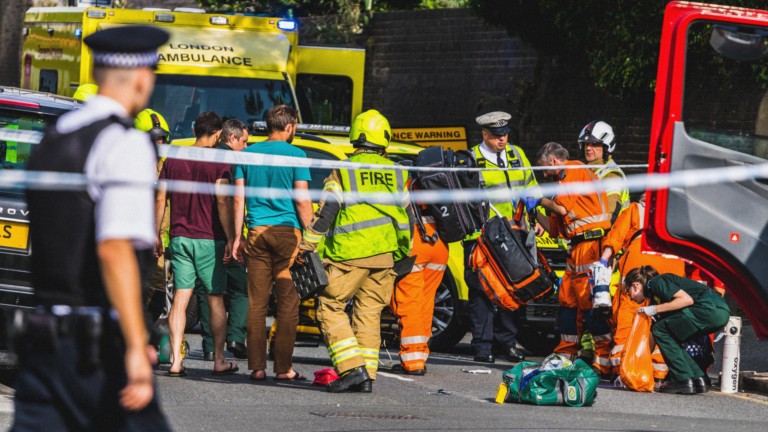
In Illinois, all drivers are required to carry liability insurance to protect themselves and others in the event of an accident. However, not everyone follows this law, and uninsured drivers remain a significant issue, especially in densely populated areas like Chicago. According to recent statistics, nearly 10% of Illinois drivers operate without insurance, making uninsured motorist claims a critical topic for residents. This article will explore how uninsured motorist claims work in Illinois, with a special focus on the Chicago area.
Understanding how to handle uninsured motorist claims is essential for protecting yourself financially after an accident. Whether you’re dealing with a hit-and-run or an uninsured driver who refuses to take responsibility, knowing your rights and options can make all the difference. So, let’s dive into the details of Illinois’ insurance requirements and what you need to know to navigate these situations effectively.
Illinois Uninsured Motorist Insurance Requirements
Illinois mandates that all drivers carry uninsured motorist (UM) coverage as part of their auto insurance policies. The minimum limits for UM coverage are $20,000 per person and $50,000 per accident, which align with the state’s liability insurance requirements. These limits might seem sufficient at first glance, but they often fall short when it comes to covering medical bills and property damage from serious accidents. That’s why many experts recommend opting for higher coverage limits whenever possible.
One unique aspect of Illinois law is the “contact rule,” which requires physical contact between vehicles for a claim to qualify under UM coverage. This rule aims to prevent fraudulent claims but can sometimes complicate legitimate cases, such as those involving phantom drivers. Understanding these nuances is crucial for anyone navigating the claims process. Next, we’ll look at common scenarios where uninsured motorist claims come into play.
Common Scenarios Requiring Uninsured Motorist Claims
There are several situations where uninsured motorist claims become necessary. One frequent scenario is hit-and-run accidents, where the at-fault driver flees the scene, leaving the victim without recourse. Another common situation occurs when the uninsured driver denies fault, leaving the insured party to rely on their own policy for compensation. In both cases, having uninsured motorist coverage can be a lifesaver.
Uninsured drivers with no assets pose yet another challenge. Even if you win a lawsuit against them, collecting damages can be nearly impossible. This underscores the importance of carrying adequate UM coverage. Now that we’ve covered some typical scenarios, let’s move on to the essential steps you should take immediately after an accident involving an uninsured driver.
Essential Steps After an Accident With an Uninsured Driver
The first thing you should do after an accident is ensure everyone’s safety. Call 911 if there are injuries or significant property damage. Once help is on the way, gather as much evidence as possible. Take photos of the scene, vehicle damage, and any visible injuries. If there are witnesses, get their contact information—they could provide valuable testimony later.
“Currently, Illinois law requires uninsured motorist limits of at least $25,000 per person and $50,000 per accident. Uninsured Motorist Property Damage Insurance is…” -Illinois Department of Insurance
Next, file a police report. A police report serves as an official record of the incident and can be crucial when filing a claim with your insurer. It’s also wise to seek medical attention, even if you feel fine. Some injuries, like whiplash, may not be immediately apparent. Documenting your injuries early can strengthen your case. Finally, notify your insurance company about the accident as soon as possible. Timely reporting is key to avoiding delays or denials in your claim.
By taking these steps, you set yourself up for a smoother claims process. Proper documentation and prompt action can significantly impact the outcome of your uninsured motorist claim. Now, let’s discuss how to formally initiate a claim with your insurance provider.
“Uninsured motorist coverage applies in the following scenarios: The At-Fault Driver Has No Insurance… Hit-and-Run Accidents… Uninsured Driver Denies Fault…” -Chicago Injury Lawyer
Filing an Uninsured Motorist Claim With Your Insurance
To start the claims process, notify your insurance company about the accident. Provide them with all the details you’ve gathered, including the police report, photos, and witness statements. Be honest and thorough in your communication—this builds trust and helps avoid disputes later. Most insurers have specific forms or procedures for filing uninsured motorist claims, so follow their instructions carefully.
Once your claim is submitted, your insurer will investigate the incident. They may request additional documentation or ask you to provide recorded statements. Cooperate fully but avoid admitting fault or speculating about the cause of the accident. Remember, the goal is to demonstrate that the other driver was uninsured and at fault. If your claim is approved, your insurer will cover your damages up to your policy’s limits.
“Drivers in Chicago, Illinois, are required by law to have auto insurance… Despite these requirements, it is estimated that 16.3% of motorists are uninsured for one reason or another.” -Powell and Pisman Injury Lawyers
Sometimes, however, claims can be delayed or denied. If this happens, don’t panic. There are steps you can take to appeal the decision or escalate the matter. Speaking of appeals, let’s talk about the importance of solid documentation in supporting your claim.
Police Reports and Evidence: Why Documentation Matters
A well-documented case can make or break your uninsured motorist claim. Police reports, in particular, are invaluable because they provide an unbiased account of the accident. They include details like weather conditions, road hazards, and statements from involved parties. Insurers often rely heavily on police reports when evaluating claims, so obtaining a copy is essential.
“In Illinois, drivers are required to report a crash to the State Police if it results in death, bodily injury, or property damage exceeding $1,500… if a driver is uninsured, he or she must report a crash if it causes property damage over $500.” -Lloyd Miller Law Group
Beyond police reports, other types of evidence—like photos, medical records, and witness statements—can bolster your case. For instance, photos of skid marks or traffic signals can help establish fault. Similarly, medical records link your injuries directly to the accident. Together, these pieces of evidence create a compelling narrative that supports your claim. As we’ll see next, legal assistance can further enhance your chances of success.
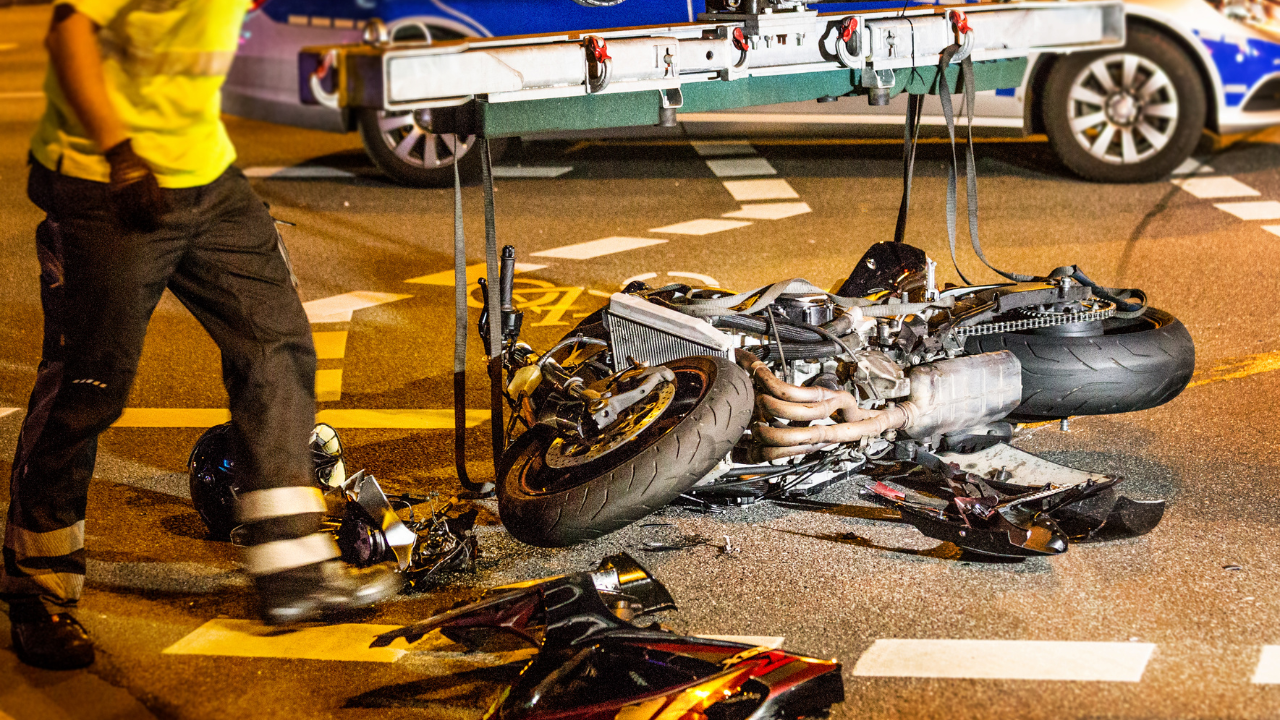
Legal Assistance in Uninsured Motorist Claims
Hiring an experienced attorney can be a game-changer in uninsured motorist claims. Attorneys can evaluate your damages, gather additional evidence, and negotiate with your insurer on your behalf. Their expertise ensures that all aspects of your claim, from medical bills to lost wages, are accounted for. Plus, they can help you avoid common pitfalls that might otherwise weaken your case.
“Filing a UM claim can be complex, especially if your insurer disputes the extent of your damages… If you and your insurer cannot agree on a settlement amount, you may need to pursue arbitration or file a lawsuit to resolve the dispute.” -Chicago Injury Lawyer
In cases where negotiations fail, attorneys can represent you in arbitration or litigation. Arbitration is a common next step in Illinois if a settlement cannot be reached. Here, a neutral panel reviews the evidence and makes a binding decision. If arbitration doesn’t resolve the dispute, your attorney can guide you through filing a lawsuit. Services like those offered by The Super Lawyer specialize in handling complex uninsured motorist claims and can provide tailored support for Chicago-area residents.
Settlement, Arbitration, and Litigation in UM Claims
Most uninsured motorist claims are resolved through settlements, where the insurer agrees to pay a certain amount to cover your losses. Settlements are typically faster and less stressful than going to arbitration or court. However, insurers may offer lowball settlements initially, hoping you’ll accept less than you deserve. That’s why having legal representation can be so beneficial—they can negotiate assertively on your behalf.
“In Illinois, uninsured driver claims are heard in arbitration if not settled by negotiation. The hearing can be conducted before a three…” -Blumenshine Law Group
If a settlement isn’t reached, the case may proceed to arbitration or litigation. In Illinois, arbitration is often the next step, involving a hearing before a panel of arbitrators. If either party disagrees with the outcome, the case can then go to court. While this process can be lengthy, it ensures that your claim receives fair consideration. Understanding these options prepares you for whatever path your claim may take. Now, let’s clarify the differences between uninsured and underinsured motorist claims.
Uninsured vs. Underinsured Motorist Claims: Key Differences
While both uninsured and underinsured motorist claims aim to protect drivers, they address different issues. Uninsured motorist coverage kicks in when the at-fault driver has no insurance, while underinsured motorist coverage applies when the at-fault driver’s policy limits are too low to cover your damages. For example, if the other driver only has $15,000 in coverage but your medical bills exceed that amount, your underinsured motorist policy would cover the difference.
“It is more important than ever to gather as much evidence as possible for this type of case. To ensure you can sufficiently establish your claim, it is crucial to file a police report after an accident so there is official documentation…” -Powell and Pisman Injury Lawyers
Both types of coverage are optional in Illinois, but they’re highly recommended. Without them, you could end up paying out-of-pocket for expenses that exceed the at-fault driver’s policy limits. Knowing the distinctions between these coverages empowers you to make informed decisions about your insurance needs. Let’s now examine how Chicago-area insurers handle uninsured motorist claims.
How Chicago Area Insurers Handle UM Claims
Chicago-area insurers generally follow statewide guidelines for processing uninsured motorist claims. However, local factors—like higher traffic volumes and urban congestion—can influence how claims are evaluated. For instance, insurers might scrutinize claims more closely in areas prone to staged accidents or fraud. Additionally, settlement amounts in Chicago tend to reflect the city’s higher cost of living.
“Insurance companies generally aim to minimize payouts for uninsured motorist claims. Consequently, they may offer an amount lower than the actual cost of your damages… If you encounter this situation, it’s advisable not to accept the settlement offer without consulting an attorney.” -Lloyd Miller Law Group
Despite these trends, disputes over coverage and payouts are not uncommon. Some insurers may drag their feet or deny valid claims outright. Being proactive and working with a knowledgeable attorney can help you navigate these challenges. Next, we’ll discuss some of the most frequent obstacles claimants face in Chicago.
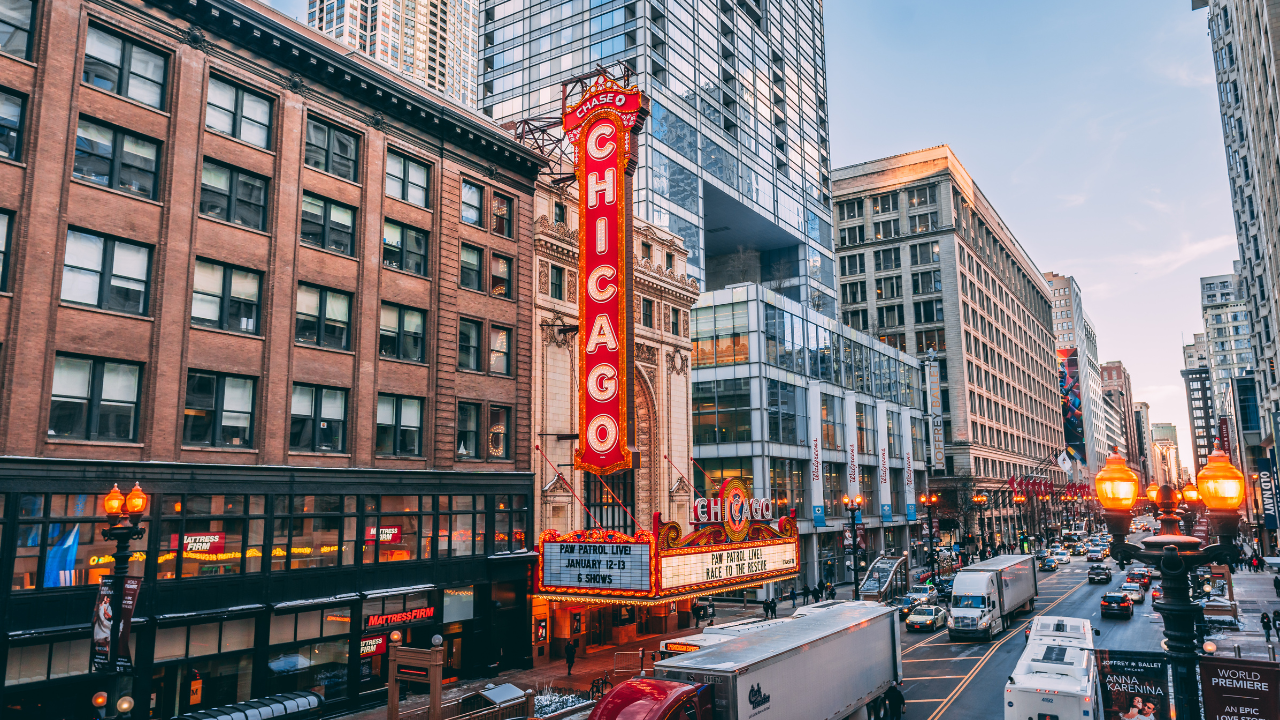
Challenges and Common Disputes in Chicago UM Claims
Claimants in Chicago often encounter several hurdles when pursuing uninsured motorist claims. One major issue is insufficient evidence, such as missing witness statements or incomplete police reports. Without robust documentation, insurers may argue that the claim lacks merit. Another common challenge is coverage disputes, where insurers question whether the policy applies to the specific circumstances of the accident.
“An experienced car crash attorney can… Investigate the Accident: Gather evidence to prove the at-fault driver’s lack of insurance and establish liability… Pursue arbitration or litigation: If necessary, your attorney can represent you…” -Chicago Injury Lawyer
To overcome these obstacles, it’s crucial to document everything meticulously and consult an attorney early in the process. Legal experts can identify weaknesses in your case and advise you on strengthening your position. By addressing potential issues head-on, you increase your chances of a favorable outcome. Speaking of favorable outcomes, here are some tips for maximizing your claim.
Tips for Maximizing Your UM Claim in the Chicago Area
To maximize your uninsured motorist claim, start by documenting every detail of the accident and its aftermath. Keep receipts for medical treatments, car repairs, and other related expenses. Promptly consult with a qualified attorney who understands the intricacies of Chicago-area claims. They can help you negotiate assertively and ensure you receive fair compensation.
“Act quickly when filing a claim after an uninsured or underinsured motorist accident in Chicago… Under Illinois’s statute of limitations… you have no more than two years from the date of the crash to bring a personal injury cause of action against the at-fault party.” -TPMB Legal
Another tip is to avoid accepting the first settlement offer unless it fully covers your losses. Insurers may try to settle quickly for less than you deserve. Instead, wait until you have a clear understanding of your total damages before agreeing to any payout. Following these strategies can significantly improve your chances of success. Now, let’s address some frequently asked questions about uninsured motorist claims.
FAQ: Common Questions About Uninsured Motorist Claims in Illinois and Chicago
What are Illinois’ minimum uninsured motorist coverage limits? Illinois requires a minimum of $20,000 per person and $50,000 per accident for uninsured motorist coverage.
What evidence should I gather after an accident with an uninsured driver? Collect photos, witness statements, police reports, and medical records to build a strong case.
How long does it take to settle a UM claim in Chicago? Settlement times vary but typically range from a few weeks to several months, depending on the complexity of the case.
Can I sue my insurer if my UM claim is denied? Yes, you can file a lawsuit against your insurer if they wrongfully deny your claim.
Does UM coverage apply in a hit-and-run accident in Illinois? Yes, as long as physical contact occurred between the vehicles, UM coverage usually applies in hit-and-run accidents.
Conclusion
Navigating uninsured motorist claims in Illinois, particularly in the Chicago area, requires careful preparation and a solid understanding of the process. From gathering evidence to working with insurers and attorneys, each step plays a vital role in securing fair compensation. By staying informed and proactive, you can protect yourself from the financial fallout of accidents involving uninsured drivers.
If you find yourself facing an uninsured motorist claim, don’t hesitate to reach out to professionals who specialize in these cases. Consider consulting with The Super Lawyer, whose expertise in personal injury law can guide you through every stage of the process. Review your insurance policy today to ensure you’re adequately protected—and drive with peace of mind knowing you’re prepared for whatever comes your way.