Vehicle Preparation and Road Trip Planning
Before you head out on your southern adventure, taking time for a thorough vehicle inspection is the most important step you can take to prevent a breakdown. You should check your car to ensure all lights, brakes, and windshield wipers are working correctly, and take a close look at your tires to make sure they have enough tread. It is also smart to top off your oil and other essential fluids, as the heat in South Carolina and Georgia can put extra stress on your engine, and a well-maintained vehicle is your first line of defense against accidents.
Once your car is ready, the next step is planning your route carefully using a reliable GPS system while keeping an eye on traffic patterns. Major highways like I-95 and I-75 can get incredibly congested, so it is wise to look for alternate paths or back roads that might be less stressful and more scenic. Additionally, try to avoid peak travel times, such as holiday rushes or Friday afternoons, because sitting in bumper-to-bumper traffic increases the risk of rear-end collisions and driver fatigue.
Finally, never let your gas tank get too low, especially when driving through rural areas where gas stations might be few and far between. You should also prepare a dedicated emergency kit that stays in your trunk, containing essentials like a first aid kit, a working flashlight with extra batteries, and jumper cables. Having contact information for roadside assistance written down is also a great idea, ensuring you are never left stranded on the side of the road without help.
Defensive Driving Techniques on Southern Highways
Driving safely on southern highways requires you to strictly follow all traffic signs and speed limits, as local police enforce these rules to keep everyone safe. Always wear your seatbelt and ensure every passenger does the same, because this simple action is the single most effective way to prevent serious injury in a crash. Furthermore, maintaining a safe following distance from the vehicle in front of you gives you the necessary time to react if traffic suddenly slows down or stops.
Unfortunately, you may encounter aggressive or distracted drivers who are speeding or weaving through traffic without signaling. The best way to handle these situations is to stay calm and simply change lanes to let them pass, rather than trying to block them or engage in road rage. If a driver is acting dangerously, pull over safely at the nearest rest stop or exit to distance yourself from them, ensuring your vacation continues without a stressful incident.
Navigating Mountain Roads and Curvy Terrain in Georgia
When visiting beautiful mountain towns like Helen or Clayton in North Georgia, you must be hyper-vigilant because the roads are often steep, narrow, and full of sharp twists. It is crucial to reduce your speed significantly before entering a curve, rather than braking in the middle of it, to maintain control of your vehicle. These winding roads require your full attention, so keep both hands on the wheel and stay focused on the asphalt ahead rather than the scenery.
“The summers are hot and humid – averaging a solid 90°F – with frequent afternoon thunderstorms. South Carolina does experience extreme weather, including hurricanes between late August and October.” -Lonely Planet
Weather conditions in the mountains can change rapidly, with fog and rain making the roads slippery and reducing visibility to just a few feet. You need to stay strictly in your lane and be prepared for blind spots where oncoming traffic might appear suddenly around a bend. If the weather gets too bad, find a safe place to pull off the road and wait for it to clear, as trying to push through a storm on curvy terrain is a recipe for disaster.
While the mountain views are breathtaking, looking at them while driving is a major safety hazard that leads to many accidents every year. If you want to enjoy the landscape or take photos, look for designated overlooks and pull-offs where you can stop your car safely. By separating your sightseeing from your driving, you ensure that you can enjoy the beauty of Georgia without putting yourself or your passengers at risk of running off the road.
Pedestrian and Bicyclist Safety in Tourist Areas
In popular tourist hubs like Savannah’s River Street or downtown Charleston, the streets are often packed with people who may not be paying attention to traffic. As a driver, you must drive slowly and always be ready to yield to pedestrians at crosswalks and intersections, even if they don’t have the right of way. Being patient in these busy areas prevents tragic accidents and ensures that everyone can enjoy the historic sights safely.
You will also likely share the road with bicyclists who are touring the city or commuting, so it is important to give them plenty of space. When passing a cyclist, move over to give them at least three feet of clearance, and never honk your horn close to them as it could cause them to startle and crash. Adapting to the slower, more pedestrian-friendly driving culture of these southern towns will make your trip much less stressful and safer for everyone.
Alligator Awareness and Wildlife Precautions in South Carolina
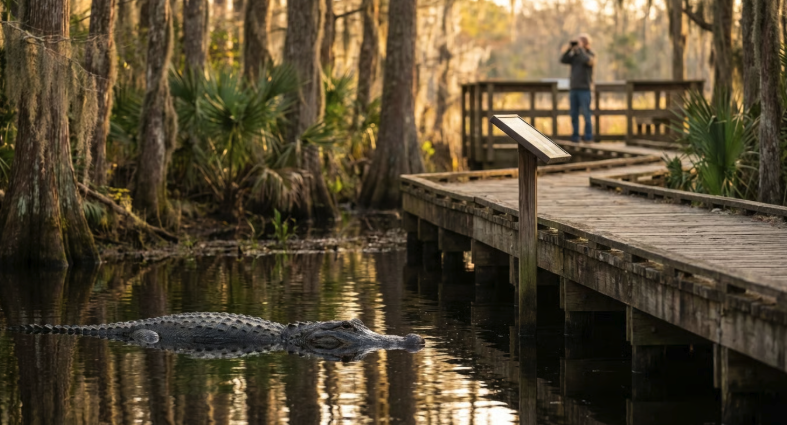
South Carolina is famous for its wildlife, but you must respect alligators by maintaining a safe distance at all times. Never feed an alligator, as this causes them to lose their fear of humans and become aggressive, and avoid swimming in lagoons, ponds, or canals where they are known to live. If you see one while walking on a trail, back away slowly and give the animal plenty of room to move, as they can run surprisingly fast on land for short distances.
It is common to spot alligators on golf courses or near wetlands, so you should always assume any body of fresh water could be home to one. While attacks on humans are rare, they are extremely serious when they occur, so keeping children and pets away from the water’s edge is a critical safety precaution. Being aware of your surroundings and respecting the local wildlife allows you to observe these fascinating creatures without becoming a statistic.
Preventing Bug Bites and Heat-Related Injuries
The humidity in the South brings plenty of bugs, so applying a strong insect repellent is highly recommended to protect against mosquitoes and biting gnats, often called “no-see-ums.” These pests are most active at dawn and dusk, so if you are out during these times, consider wearing long sleeves and pants made of light, breathable fabric. Taking these precautions helps you avoid itchy bites and potential insect-borne illnesses that could ruin your vacation.
Heat exhaustion is another real danger during the summer months, so staying hydrated by drinking water throughout the day is non-negotiable. You should also wear sunscreen and a hat to protect against sunburn, and try to schedule strenuous outdoor activities for the cooler morning hours. If you start feeling dizzy or nauseous, get into the shade or air conditioning immediately to cool down, as heat stroke is a medical emergency that requires quick action.
Personal Safety and Situational Awareness in Cities
When exploring charming cities like Savannah or Charleston, it is easy to get distracted by the architecture, but you must practice situational awareness and trust your instincts. Avoid walking around with your face buried in your phone looking at maps, as this makes you an easy target for theft or accidents. Instead, stay alert to what is happening around you, and if a street or situation feels unsafe, head back toward a more populated area immediately.
“The bugs will eat you alive in the summer if you come unprepared. Heat and humidity breed swarms of mosquitoes – 61 different species of the pesky fly live in South Carolina.” -Lonely Planet
Physical safety also involves practical choices, such as locking your car doors every time you park and hiding valuables out of sight to deter break-ins. Additionally, wear sensible shoes because the historic cobblestone streets can be uneven and slippery, making them a prime spot for twisted ankles or falls. You should also keep a close eye on traffic, as drivers in unfamiliar cities may make sudden turns or stops without warning.
At night, stick to well-lit, populated streets and avoid taking shortcuts through dark alleys or deserted parks. It is always safer to stay in groups, but if you are alone, consider taking a cab or rideshare back to your hotel rather than walking late at night. By heading indoors when the crowds disperse, you reduce your risk of becoming a victim of crime and ensure you wake up ready for another day of fun.
Your Legal Rights After an Injury in SC and GA
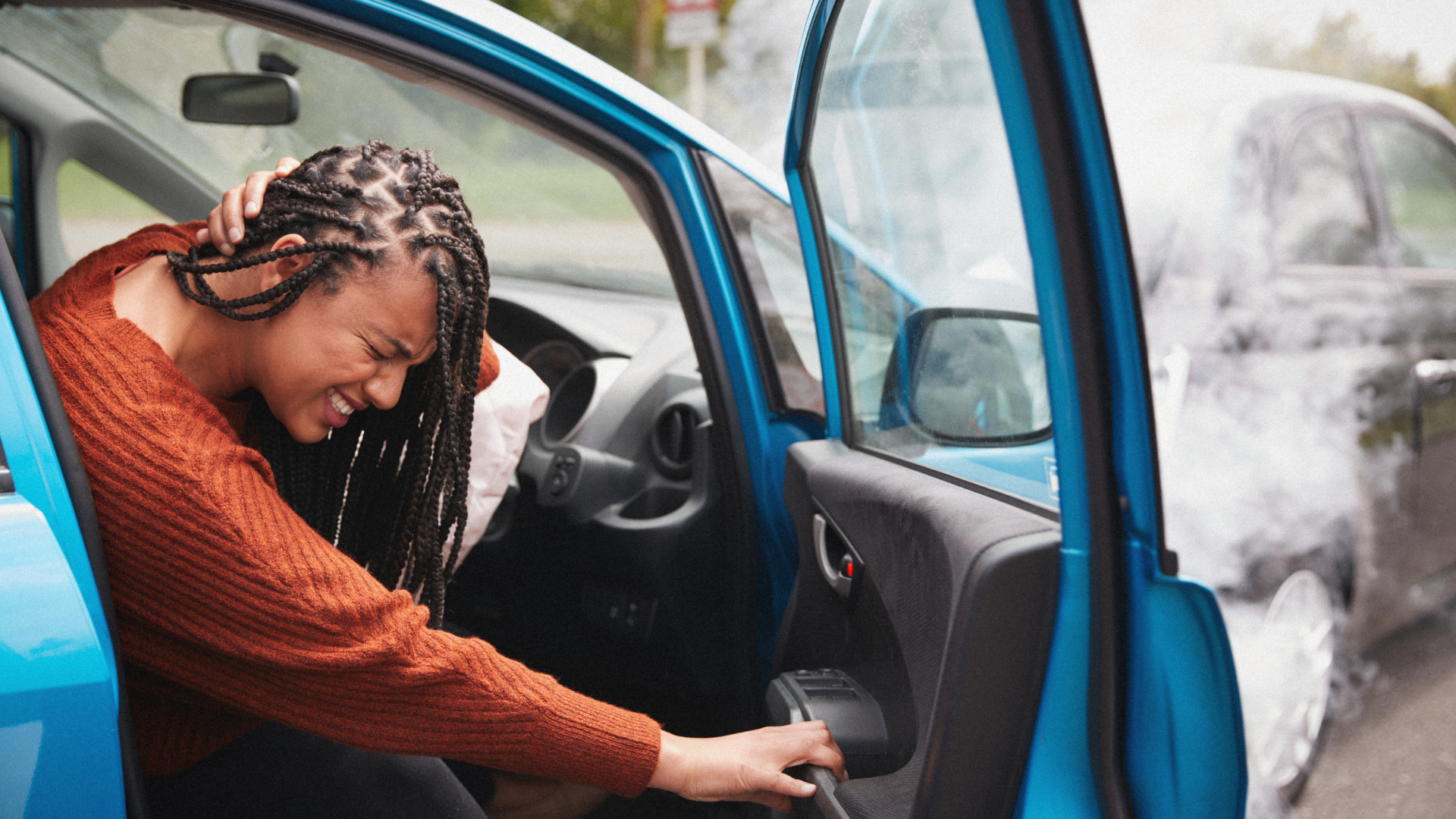
If you are unfortunate enough to be injured while visiting South Carolina or Georgia, you have the right to seek immediate medical care and potentially claim compensation for your damages. Whether the injury was caused by a car accident, a slip and fall, or negligence by a business, the law allows you to pursue recovery for medical bills and pain and suffering. It is important to know that being a tourist does not waive your rights to protection under state laws. ⚖️
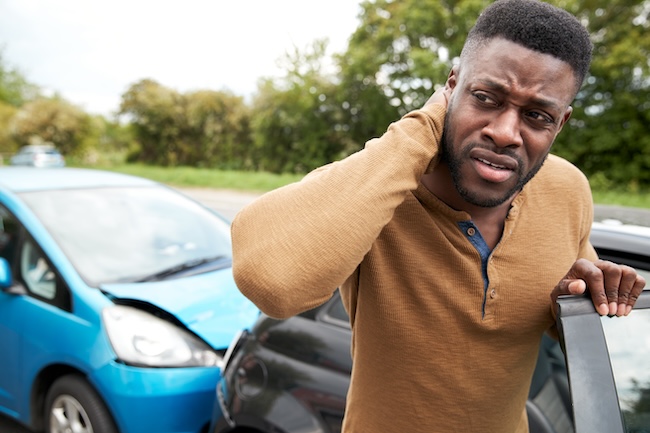
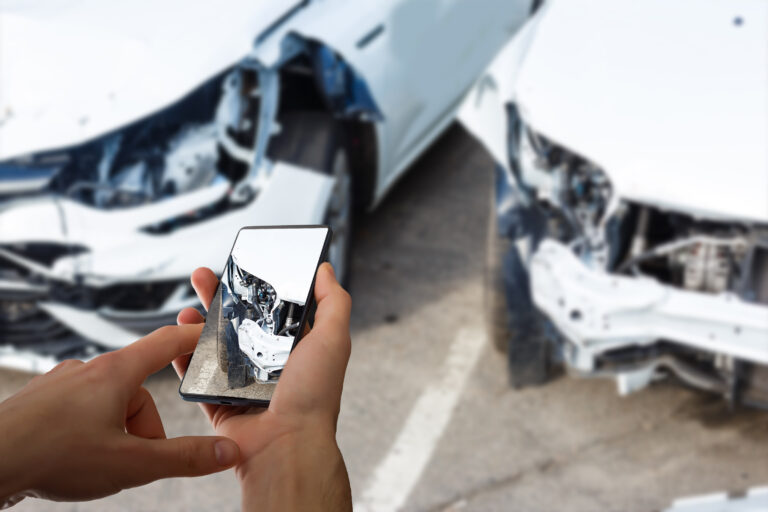
After any incident, your first priority should be reporting it to the local authorities, such as the police or property management, to create an official record of what happened. You must also preserve evidence by taking photos of the scene, your injuries, and any property damage, as well as collecting names and phone numbers of witnesses. This documentation is vital for proving your case later and ensures that the facts are not lost or forgotten.
Navigating the legal system in a different state can be complicated, so consulting with attorneys who are familiar with local tourism-related claims is often necessary. Services like https://thesuperlawyer.com can be a helpful resource for finding legal professionals who understand the specific laws in South Carolina and Georgia. Getting the right legal advice early on can make a significant difference in the outcome of your claim and help you get the support you need.

Alcohol, Parking, and Local Regulation Compliance
The South has a booming craft brewery scene, but you must be responsible by designating a sober driver or using rideshare apps if you plan to drink. DUI laws in both South Carolina and Georgia are strictly enforced, and getting arrested can lead to heavy fines, jail time, and a ruined vacation. Planning your transportation ahead of time ensures you can enjoy the local nightlife without endangering yourself or others on the road.
In addition to driving laws, you need to pay close attention to parking rules and local regulations, especially in historic districts where space is limited. Always read the parking signs carefully to avoid expensive tickets or towing, and be mindful of speed limits that often drop drastically as you enter small towns. Respecting these local rules shows courtesy to the residents and keeps you free from legal hassles during your trip.
FAQ
What are the biggest road risks for tourists in South Carolina and Georgia?
The biggest risks include aggressive driving on interstates like I-95, navigating unfamiliar one-way streets in historic cities, and handling winding mountain roads in North Georgia. Weather events like sudden heavy rainstorms also pose a significant hazard.
Are alligators a real danger in South Carolina?
Yes, alligators are a real potential danger, especially near golf course ponds, lagoons, and marshes. However, attacks are rare and usually occur when people get too close to the water’s edge or try to feed them.
How can I avoid slips on Savannah’s cobblestones?
The best way to avoid slips and falls is to wear flat, comfortable walking shoes with good grip. Avoid high heels or flip-flops, and walk slowly, paying attention to uneven stones and gaps in the pavement.
What should I do if injured in a car accident as a tourist?
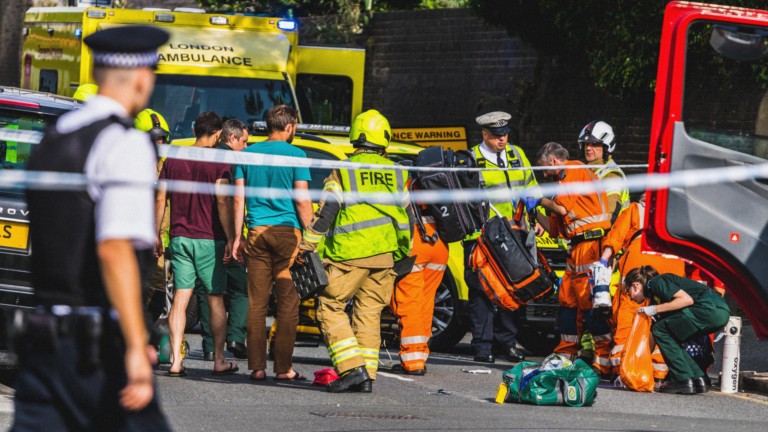
Call 911 immediately to report the accident and seek medical attention. Document the scene with photos, exchange insurance info, and contact a lawyer familiar with local state laws to protect your rights before you return home.
Is Georgia safe for solo female travelers?
Generally, Georgia is safe for solo female travelers, especially in popular tourist areas during the day. However, standard safety precautions apply: stay in well-lit areas at night, share your itinerary with someone, and trust your instincts if a situation feels off.
Conclusion
To ensure a memorable and safe trip to the South, remember the key takeaways: prepare your vehicle thoroughly, drive defensively, respect the local wildlife, and stay aware of your surroundings in cities. Whether you are navigating the curves of the Blue Ridge Mountains or walking the historic streets of Charleston, taking these precautions will drastically reduce your risk of injury. Furthermore, understanding your legal rights regarding accidents and injuries empowers you to handle unexpected situations with confidence.
Please share this public service safety advice with fellow tourists planning trips to South Carolina or Georgia, and consider printing it out to keep in your dashboard for easy reference. By prioritizing safety and being prepared, you can focus on making wonderful memories without the stress of preventable injuries. Stay informed, stay alert, and enjoy every moment of your southern adventure protected and secure!