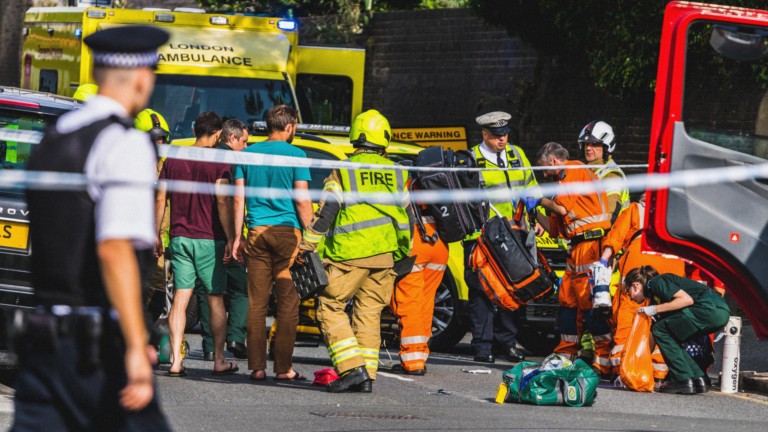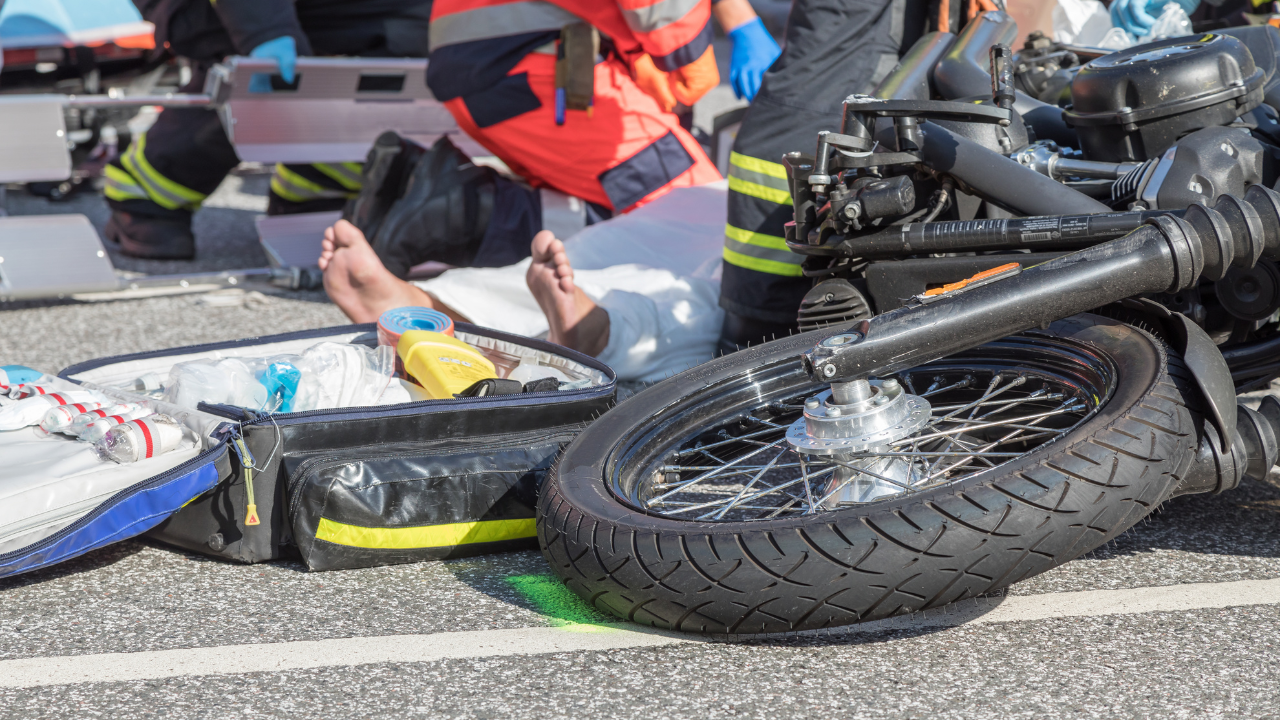
Riding a motorcycle across the vast highways of Texas offers a sense of freedom that is hard to beat, but it also comes with serious risks. Unfortunately, motorcycle crashes are a major concern in the Lone Star State, often resulting in severe injuries or tragic fatalities. Unlike people in cars or trucks, motorcyclists do not have a metal cage, airbags, or seatbelts to protect them during a collision. This lack of protection means that when a crash happens, the rider almost always suffers the most, even if the accident occurs at low speeds.
Because riders are so vulnerable, the physical, emotional, and financial toll of a wreck can be overwhelming. Medical bills can pile up quickly, and navigating the insurance process is often more complicated for bikers than for car drivers. Understanding the specific patterns of injuries, how Texas insurance policies work, and the legal steps required to protect your rights is absolutely critical. Without this knowledge, injured riders might settle for far less than they need to cover their recovery.
This article is designed to guide injured riders, their families, and surviving loved ones through the aftermath of a collision. We will break down the reality of crash statistics, common injuries, and the specific laws that apply to Texas motorcycle crashes: injuries, insurance, and legal steps in TX. Whether you are currently recovering in a hospital or trying to help a family member, this guide provides the essential information needed to move forward with confidence.
How Common Are Motorcycle Crashes and Injuries in Texas?
Texas consistently ranks as one of the most dangerous states for motorcyclists in the entire country. Every year, the Texas Department of Transportation (TxDOT) reports thousands of crashes involving motorcycles. Sadly, hundreds of these incidents result in fatalities, and thousands more lead to incapacitating injuries. The sheer size of the state, combined with high speed limits and congested urban traffic, creates a hazardous environment for riders.
To put the risk into perspective, statistics show that a motorcyclist is killed on Texas roads almost every single day on average. These aren’t just numbers; they represent fathers, mothers, sons, and daughters whose lives are cut short. The frequency of these accidents highlights that riding in Texas requires constant vigilance. The data indicates that despite safety campaigns, the number of serious crashes remains alarmingly high year after year.
Furthermore, the ratio of crashes to injuries is much higher for bikes than for cars. In many car accidents, the occupants walk away with minor bumps or bruises. However, in motorcycle accidents, walking away unharmed is the exception, not the rule. The reality is that if you ride in Texas, understanding the scale of these risks is the first step in prioritizing safety and preparedness.
When analyzing the outcome of traffic accidents, the disparity between motorcycles and passenger vehicles is shocking. Statistics often reveal that a vast majority of reported motorcycle crashes result in some form of injury or death. In contrast, a significant portion of car crashes result only in property damage. This difference underscores just how physically vulnerable a rider is compared to a driver sitting inside a reinforced steel cabin.
This high injury rate is why insurance companies and legal experts treat motorcycle cases differently. The bodily damage is almost always more severe, leading to higher medical costs and longer recovery times. Consequently, the stakes are much higher when seeking compensation, as the financial impact on the victim is far greater than in a typical fender-bender involving two sedans.
Where and When Do Texas Motorcycle Crashes Happen Most Often?
Geography plays a big role in where these accidents occur. It is no surprise that the most populous counties—Harris, Dallas, Bexar, Tarrant, and Travis—see the highest number of motorcycle crashes. Urban environments are full of intersections, stop-and-go traffic, and distracted drivers, all of which increase the danger. Intersections are particularly risky spots, as this is where vehicles often turn across a rider’s path, leading to devastating collisions.
Timing is also a major factor in rider safety. Crash data shows that weekends are particularly deadly, likely due to a higher number of recreational riders on the road. Additionally, the months from May through October usually see a spike in accidents as the warm weather encourages more people to ride. Afternoon and evening hours, specifically during rush hour, also present peak danger times due to driver fatigue and congestion.
Common Injuries in Texas Motorcycle Crashes
The injuries sustained in motorcycle crashes are often traumatic and life-altering. Because the rider makes direct contact with the road or other vehicles, the damage to the body can be extensive. Common injuries include severe fractures, particularly to the legs and arms, as well as “road rash,” which is far more serious than a simple scrape and can require skin grafts. Internal organ damage and internal bleeding are also frequent, as the blunt force of impact can harm the lungs, spleen, or liver without breaking the skin.
In the most severe cases, riders may suffer from traumatic amputations or crush injuries that result in the loss of a limb. These injuries occur when a limb is pinned under a bike or struck directly by a heavier vehicle. The physical trauma is often compounded by the fact that riders are sometimes thrown significant distances from their bikes. This secondary impact with the ground or roadside objects can cause additional broken bones and soft tissue damage.
Unfortunately, the lack of a protective shell means that multiple body systems are often injured simultaneously. A rider might suffer a broken leg, a concussion, and road rash all in the same event. This “polytrauma” complicates medical treatment and requires a team of specialists to manage care effectively. It is a harsh reality that underscores the importance of wearing high-quality protective gear every time you ride.
The long-term consequences of these injuries extend far beyond the initial hospital stay. Many riders face months or even years of rehabilitation to regain mobility and strength. Surgeries, physical therapy, and pain management can become a part of daily life. For some, chronic pain or permanent disability may prevent them from returning to their previous jobs, leading to a loss of income that adds financial stress to physical pain.
From a legal perspective, documenting these long-term effects is crucial. If a rider settles a claim too early, they may not account for future medical needs or lost earning capacity. Therefore, immediate and consistent medical care is not just good for health; it creates the paper trail necessary to prove the extent of the damages in an insurance claim or lawsuit.
Head, Brain, and Spinal Cord Injuries
Traumatic Brain Injuries (TBIs) and spinal cord damage are among the most feared outcomes of a motorcycle crash. Even with a helmet, the force of a collision can cause the brain to strike the inside of the skull, leading to concussions, bleeding, or permanent cognitive impairment. These injuries can change a person’s personality, memory, and ability to function independently, placing a heavy emotional burden on families.
Spinal cord injuries are equally devastating and can result in partial or total paralysis. The lifetime cost of care for someone with a severe spinal injury can run into the millions of dollars. While helmets are statistically proven to drastically reduce the risk of death and severe head trauma, they cannot prevent every injury. Understanding the severity of neurological damage is vital when calculating the true cost of a crash.
“Texas reports over 9,000 motorcycle crashes annually, with approximately 560 riders losing their lives and thousands more suffering serious injuries each year.” -Vendt Accident Attorneys
Top Causes of Motorcycle Crashes in Texas
Determining the cause of a crash is the first step in establishing who is financially responsible. In Texas, many motorcycle accidents are caused by the negligence of other drivers. Common issues include drivers failing to yield the right of way, making unsafe lane changes without checking blind spots, and distracted driving. With the rise of smartphones, drivers looking down at their screens instead of the road has become a leading cause of collisions involving motorcyclists.
However, rider behavior also plays a role in crash statistics. Speeding is a significant factor in single-vehicle motorcycle crashes, where a rider might lose control on a curve. Inexperience and operating a motorcycle without a proper license also contribute to accident rates. Additionally, riding while impaired by alcohol or drugs remains a deadly problem that affects both riders and drivers alike.
When a crash occurs, insurance adjusters and courts look at all these factors to assign fault. They will investigate whether a driver turned illegally or if the motorcyclist was weaving through traffic. Because Texas law looks at the percentage of fault for each party, understanding these common causes helps in anticipating how the other side might try to shift the blame onto the rider.
Intersection and Left‑Turn Crashes
Intersections are arguably the most dangerous places for motorcyclists in Texas. A very common and deadly scenario involves a car or truck making a left turn in front of an oncoming motorcycle. In these cases, the driver often claims they “didn’t see” the motorcycle, a phenomenon known as inattentional blindness. The smaller profile of a bike makes it harder to gauge speed and distance, leading drivers to turn when it isn’t safe.
Despite the driver’s claim of not seeing the rider, these left-turn crashes often create a strong case for negligence against the driver. Texas law requires drivers to yield to oncoming traffic when turning left. When a driver violates this right of way, they are typically liable for the crash. However, proving this requires evidence, as the driver may try to argue the motorcyclist was speeding or didn’t have their headlights on.
Immediate Steps to Take After a Motorcycle Crash in Texas
The moments immediately following a crash are chaotic and terrifying, but taking the right steps is crucial for your health and your legal case. First and foremost, get to safety if you are able to move out of the flow of traffic. Call 911 immediately to request police and emergency medical services. Even if you think you are okay, adrenaline can mask serious injuries, so having police on the scene to create an official crash report is essential.
Once safety is established, try to gather evidence if you are physically able. Exchange insurance and contact information with the other driver, but do not discuss the details of the crash or apologize. Get the names and phone numbers of any witnesses who saw what happened; their statements can be the difference between winning and losing a claim later. Use your phone to take photos of the vehicles, the road conditions, skid marks, and your injuries.
Finally, preserve your physical evidence. Do not throw away your damaged helmet, torn riding gear, or boots. These items tell a story about the force of the impact and can be used as evidence to demonstrate the severity of the crash. Keep everything in a safe place, as your attorney may need to have them examined by experts later on.
Medical Care and Documentation
Accepting medical attention at the scene or going to the emergency room immediately after leaving the scene is non-negotiable. As mentioned earlier, internal bleeding or brain injuries may not be immediately painful. A doctor needs to evaluate you to rule out life-threatening conditions. Furthermore, refusing medical care at the scene gives insurance companies ammunition to argue that you weren’t really hurt.
Documentation is the backbone of any injury claim. You need to keep records of every doctor’s visit, diagnosis, prescription, and treatment plan. It is also helpful to keep a daily journal of your pain levels and how the injuries are affecting your daily life. Consistent medical records that show a direct link between the crash and your injuries will strengthen your position when demanding compensation.
What Not to Do After a Texas Motorcycle Crash
There are several common pitfalls that can ruin a valid claim. One of the biggest mistakes is admitting fault at the scene, such as saying “I’m sorry” or “I should have stopped sooner.” These statements can be used against you. Another major error is giving a recorded statement to the other driver’s insurance company before speaking to a lawyer. These adjusters are trained to ask trick questions that can minimize your payout.
Additionally, stay off social media. Do not post photos of your bike, your injuries, or updates about your recovery. Insurance investigators often monitor social media accounts to find evidence that contradicts your injury claims. For example, a photo of you smiling at a family dinner could be twisted to argue that you aren’t in pain or suffering mental anguish. It is best to keep your life private until your case is resolved.
“Records from the Texas Department of Transportation show that in 2024, more than 2,500 motorcyclists in Texas suffered serious injuries in motorcycle crashes, while an additional 3,400 suffered injuries classified as less serious.” -Texas Department of Transportation via Texas Made Lawyers
Understanding Texas Motorcycle Insurance and Coverage Options
Texas law requires all motor vehicle operators to carry minimum liability insurance. Currently, the minimum limits are $30,000 for bodily injury per person, $60,000 per accident, and $25,000 for property damage. While this allows you to legally ride, these limits are often woefully inadequate for motorcycle crashes. A single surgery and a few days in the hospital can easily exceed $30,000, leaving the injured rider with unpaid bills if the at-fault driver only has minimum coverage.
Because of these low limits, understanding your own policy is vital. Liability insurance pays for the other person’s injuries if you cause a crash, but it does not pay for your own injuries. If the driver who hit you has no insurance or very low limits, you could be in financial trouble unless you have protected yourself with optional coverages on your own motorcycle policy.
It is highly recommended to review your policy before a crash happens. Many riders assume they have “full coverage,” only to find out they waived the most important protections to save a few dollars on premiums. Being underinsured is a major risk in Texas, where a significant percentage of drivers on the road do not have valid insurance at all.
Optional Coverages Riders Should Consider
Uninsured/Underinsured Motorist (UM/UIM) coverage is perhaps the most important add-on for a motorcyclist. This pays for your medical bills and lost wages if the driver who hits you doesn’t have insurance or doesn’t have enough to cover your costs. Given the severity of motorcycle injuries, relying on someone else’s minimum policy is a gamble you shouldn’t take.
Other valuable coverages include Personal Injury Protection (PIP) and Medical Payments (MedPay). PIP can cover medical bills and a portion of lost wages regardless of who was at fault. Collision coverage pays to repair or replace your bike if you wreck, while comprehensive coverage protects against theft or non-crash damage. These optional layers of protection provide a safety net that liability-only policies simply cannot offer.
How Motorcycle Claims Differ from Car Accident Claims in TX
Motorcycle claims are distinct from standard car accident claims primarily due to the severity of the damages and the bias against riders. Insurance adjusters often have a preconceived notion that motorcyclists are reckless daredevils. They may try to use this bias to argue that the rider must have been speeding or weaving, even without evidence. Overcoming this “biker bias” requires a strategic legal approach.
Additionally, the medical expenses in motorcycle cases are typically much higher. This means the insurance company will fight harder to avoid paying the full amount. Disputes over the value of the claim, the necessity of future medical treatments, and the impact on the rider’s career are common. Negotiations are often tougher, and litigation is more likely to be necessary to get a fair result.

How Fault and Negligence Work in Texas Motorcycle Cases
Texas operates under a “modified comparative negligence” system, also known as proportionate responsibility. This means that fault is not always black and white; it can be shared between parties. The court or insurance adjusters will assign a percentage of fault to everyone involved. For example, a driver might be 80% at fault for turning left illegally, while the rider is 20% at fault for speeding slightly.
The critical rule to remember is the “51% bar.” If a rider is found to be more than 50% responsible for the crash, they are barred from recovering any damages at all. If they are 50% or less at fault, their compensation is reduced by their percentage of responsibility. This makes the investigation phase incredibly important, as shifting just a few percentage points of fault can mean the difference between a payout and receiving nothing.
Because of this rule, insurance companies work hard to pin at least 51% of the blame on the rider. They know that if they cross that threshold, they don’t have to pay a dime. This legal framework makes it essential to have professional representation to fight against unfair assignment of fault.
Evidence Used to Prove Fault
Proving fault requires solid evidence. The police crash report is the starting point, as it contains the officer’s initial assessment and any citations issued. However, photos of the scene, skid marks, and vehicle damage patterns are also critical. Video footage from dashcams, helmet cams, or nearby security cameras can be the “smoking gun” that proves exactly what happened.
In complex cases, attorneys may use “black box” data from the vehicles involved or hire accident reconstruction experts. These experts use physics and math to determine speeds, braking distances, and angles of impact. Eyewitness testimony also plays a huge role. Collecting and organizing this evidence is key to establishing that the other driver was the primary cause of the collision.
“Nearly 600 people riding motorcycles were killed in crashes in Texas last year, and more than 2,400 riders were seriously injured.” -Texas Department of Transportation (TxDOT)
Common Arguments Used Against Injured Motorcyclists
Defense attorneys and insurers have a standard playbook for motorcycle cases. They frequently argue that the rider was speeding, which is hard to disprove without expert analysis. They might claim the rider was “lane splitting” (which is currently illegal in Texas) or weaving aggressively through traffic. Another common defense is the “came out of nowhere” argument, implying the rider was moving so fast they were invisible.
If the rider was not wearing a helmet, the defense will argue that the injuries would have been less severe with one, trying to reduce the compensation for head and neck injuries. While not wearing a helmet is legal in Texas for certain riders, it can complicate the damages portion of a case. Having a lawyer who knows how to counter these specific bias-driven arguments is essential for a fair outcome.
Compensation Available After a Texas Motorcycle Crash
When a rider is injured due to someone else’s negligence, they are entitled to various forms of compensation, known as damages. The most obvious are economic damages, which cover tangible costs like past and future medical bills, rehabilitation expenses, and lost wages. If the injuries are severe enough to prevent the rider from returning to their old job, they can also claim “loss of earning capacity.”
Non-economic damages are equally important but harder to calculate. These include compensation for physical pain and suffering, mental anguish, physical impairment, and disfigurement (such as scarring from road rash). These damages acknowledge that the crash took a toll on the rider’s quality of life, not just their bank account. In the worst-case scenarios, families can file a wrongful death claim to recover funeral costs and the loss of companionship and support.
Property damage is also recoverable, covering the repair or replacement of the motorcycle and any custom upgrades or gear damaged in the wreck. It is important to include everything in the demand package, from the helmet to the boots, as high-quality riding gear is expensive to replace.
Calculating the Value of a Motorcycle Injury Claim
There is no online calculator that can tell you exactly what your case is worth. The value depends on specific factors, primarily the severity and permanence of the injuries. A case involving a permanent disability or amputation will naturally have a higher value than one involving soft tissue injuries that heal in a few months. The cost of future medical care is a major component of this calculation.
Other factors include the amount of insurance coverage available (policy limits) and the degree of comparative fault. Even if your damages are worth $1 million, if the at-fault driver only has $30,000 in insurance and you have no UIM coverage, the actual recovery might be limited. A skilled attorney looks at all these variables to estimate a fair settlement range and identify all possible sources of funding.
Time Limits: Texas Statute of Limitations
In Texas, the clock starts ticking the moment the crash occurs. The general statute of limitations for personal injury cases is two years from the date of the accident. This means you must either settle your claim or file a lawsuit within that two-year window. If you miss this deadline, you will likely lose your right to seek compensation forever, no matter how severe your injuries are.
While two years sounds like a long time, it passes quickly when you are focused on medical recovery. Evidence can disappear, and witnesses can move away or forget details. There are also rare exceptions that can shorten or extend this time limit, such as cases involving government vehicles or minors. Because of these strict deadlines, it is dangerous to “wait and see” before seeking legal advice.
Dealing with Insurance Companies After a Motorcycle Crash in TX
Dealing with insurance companies can be one of the most frustrating parts of the recovery process. It is important to remember that the at-fault driver’s insurance company is not your friend. Their primary goal is to protect their bottom line by paying out as little as possible. They are businesses, and every dollar they save on your claim is profit for them.
You may also have to deal with your own insurance company if you are filing a UM/UIM or PIP claim. While they have a contract with you, they still scrutinize claims closely. Adjusters are trained negotiators who handle hundreds of cases a year. An injured rider, often on pain medication and stressed about bills, is at a significant disadvantage when trying to negotiate directly with these professionals.
Understanding the motivations of the insurance company helps you manage expectations. They will look for any reason to deny the claim or reduce the value. This is why professional representation is so effective; it levels the playing field and forces the insurer to treat the claim seriously rather than trying to lowball a vulnerable individual.
“On average, one motorcyclist dies in a crash on Texas roads every day.” -Texas Department of Transportation, Texas Open Data Portal
Recorded Statements, Authorizations, and Early Settlement Offers
One of the first things an adjuster will ask for is a recorded statement. They might say it’s “just for the file” or to “speed up the process.” Do not agree to this without a lawyer. Anything you say can be twisted to suggest you weren’t paying attention or aren’t as hurt as you claim. Similarly, be wary of signing blanket medical authorizations, which allow them to dig through your entire medical history to find pre-existing conditions to blame for your current pain.
Insurers often make quick, low-ball settlement offers right after a crash, hoping you are desperate for cash. These offers rarely cover future medical needs. Once you sign a release and accept a check, you cannot go back for more money later, even if you need another surgery. Always have a professional review any offer before you sign away your rights.
When an Insurance Company Disputes Fault or Damages
If the insurance company denies liability, claiming their driver wasn’t at fault, or if they argue that your medical treatment is excessive, the case becomes a battle. They might hire their own doctors to say your injuries are degenerative and not caused by the crash. This is a common tactic to devalue claims involving back or neck injuries.
When this happens, you need to fight back with evidence. This might involve getting narrative reports from your treating physicians, hiring accident reconstructionists, or filing a lawsuit to subpoena phone records and other evidence. Litigation forces the insurance company to spend money defending the case, which often encourages them to come back to the negotiating table with a fair offer.

Why and When to Hire a Texas Motorcycle Accident Lawyer
Not every minor scrape requires a lawyer, but for significant crashes, legal help is usually necessary. You should strongly consider hiring an attorney if you suffered serious injuries (broken bones, surgery, TBI), if the fault is disputed, or if the crash involved a commercial vehicle or multiple cars. Wrongful death cases are complex and absolutely require legal guidance to navigate the probate and statutory requirements.
Most motorcycle accident lawyers work on a contingency fee basis. This means you do not pay any upfront costs or hourly fees. The lawyer only gets paid a percentage of the settlement or verdict if they win your case. This arrangement allows injured riders to access high-quality legal representation without worrying about affording a retainer. Services like The Super Lawyer can help connect riders with experienced attorneys who understand the nuances of Texas motorcycle crashes: injuries, insurance, and legal steps in TX.
Hiring a lawyer also takes the burden of communication off your shoulders. Instead of fielding calls from aggressive adjusters, you can focus on healing while your attorney handles the paperwork and negotiations. This peace of mind is invaluable during a stressful recovery period.
How a Lawyer Helps Strengthen Your Case
A lawyer does much more than just file a lawsuit. They act as an investigator, gathering police reports, video footage, and witness statements before they disappear. They coordinate with your medical team to ensure your injuries are fully documented and that your doctors understand the legal requirements for your reports. They also calculate the full value of your damages, including future needs that you might overlook.
Furthermore, an attorney knows the procedural rules of the Texas legal system. They know how to file motions, handle discovery, and present a compelling case to a jury if necessary. Their involvement signals to the insurance company that you are serious and prepared to go to court, which often leads to better settlement offers.
Choosing the Right Attorney for a Texas Motorcycle Case
Not all personal injury lawyers are the same. You need someone who specifically understands motorcycle dynamics and the bias riders face. Look for an attorney with a track record of handling motorcycle cases and taking them to trial if needed. During your initial consultation, ask about their experience with similar cases and their strategy for handling the “biker bias.”
Communication is also key. You want a lawyer who will keep you updated and explain things in plain English, not just legal jargon. Trust your gut feeling during the consultation; you need to feel comfortable with the person who will be fighting for your financial future.
Preventing Future Motorcycle Crashes and Reducing Injury Risk
While legal remedies help after a crash, prevention is always the best strategy. Riders can significantly reduce their risk by taking advanced rider safety courses. These classes teach defensive riding techniques, emergency braking, and how to anticipate driver errors. In Texas, assuming that drivers do not see you is a survival mindset that can save your life.
Ensuring you are properly licensed is also important. Many riders involved in fatal crashes do not have a valid motorcycle endorsement. Riding a bike requires a different skill set than driving a car, and skipping the training and licensing process puts you at a disadvantage. Avoiding alcohol and drugs before riding is a non-negotiable rule for safety.
Finally, visibility is key. Wearing bright colors or reflective gear makes it harder for drivers to miss you, especially at night. Combining visibility with defensive positioning in traffic lanes can help create a buffer zone that gives you time to react if a car makes a sudden move.
Protective Gear and Helmets Under Texas Law
Texas law regarding helmets is somewhat complex. Riders under 21 must wear a helmet. However, riders 21 and older can legally ride without one if they have completed a safety course or have adequate health insurance coverage. Despite this legal exemption, wearing a DOT-approved helmet is the single most effective way to prevent traumatic brain injuries and death.
Beyond helmets, “All The Gear, All The Time” (ATGATT) is the gold standard for safety. This includes armored jackets, riding pants, gloves, and boots. Modern riding gear is designed to resist abrasion and absorb impact. In a crash, this gear can mean the difference between walking away with bruises and needing skin grafts or surgery. Investing in quality gear is investing in your own physical future.
Frequently Asked Questions about Texas Motorcycle Crashes: Injuries, Insurance, and Legal Steps in TX
1. What should I do immediately after a motorcycle crash in Texas?
Your priority is safety and health. Move out of traffic if possible, call 911, and seek medical attention immediately, even if you feel fine. Gather evidence like photos and witness contacts if you are able, but do not put yourself in danger to do so.
Crucially, avoid discussing fault with anyone at the scene. Do not apologize to the other driver. Once you are medically stable, contact a motorcycle accident lawyer before giving any statements to insurance companies to ensure your rights are protected from the start.
2. How long do I have to file a motorcycle accident lawsuit in Texas?
In Texas, the statute of limitations for personal injury claims is generally two years from the date of the crash. This means you must file a lawsuit within this timeframe, or you will likely be barred from receiving any compensation.
While two years seems like a long time, building a strong case takes months of investigation and medical treatment. Waiting until the last minute can result in lost evidence and a weaker case, so it is best to consult with an attorney as soon as possible.
3. Can I still recover compensation if I was partly at fault for the crash?
Yes, Texas follows a “modified comparative negligence” rule. You can recover damages as long as you are not more than 50% responsible for the accident. However, your compensation will be reduced by your percentage of fault.
For example, if you have $100,000 in damages but are found to be 20% at fault for speeding, you would receive $80,000. If you are found to be 51% at fault, you receive nothing. This is why establishing liability is so critical.
4. Do I need a lawyer for every Texas motorcycle crash, or only serious ones?
If your crash only involved minor scratches to your bike and no injuries, you might be able to handle it yourself. However, if there are any injuries requiring medical treatment, lost wages, or if the other driver disputes fault, you should consult a lawyer.
Most motorcycle accident attorneys offer free consultations, so it costs nothing to get a professional opinion on your case. Given the high stakes of injury claims, having legal help usually results in a significantly higher settlement than handling it alone.
5. How much is my Texas motorcycle injury case worth?
There is no fixed “average” settlement because every crash is unique. The value depends on the severity of your injuries, the cost of your medical bills, the amount of time you missed work, and the impact on your quality of life.
Additionally, the available insurance limits play a huge role. An attorney needs to review all the specific facts, medical records, and insurance policies to provide an accurate estimate of what your claim might be worth.
Conclusion: Key Takeaways and Next Steps After a Texas Motorcycle Crash
Riding in Texas comes with inherent risks, and the statistics regarding crashes and injuries are sobering. We have explored how vulnerable motorcyclists are compared to other motorists, the severe nature of common injuries like road rash and TBIs, and the complexities of Texas insurance and liability laws. The key takeaways are clear: Texas motorcycle crashes often result in significant physical and financial damage, and the legal system requires careful navigation to ensure fair treatment. Understanding the “51% bar” for negligence and the importance of UM/UIM coverage can make a massive difference in your recovery journey.
Furthermore, we cannot overstate the importance of immediate action. From getting medical care to preserving evidence and avoiding social media mistakes, the steps you take in the first few days set the trajectory for your entire case. Insurance companies are prepared to defend their profits, so riders must be equally prepared to defend their rights. Whether it is wearing a helmet to prevent injury or hiring a lawyer to prevent financial loss, preparation and knowledge are your best defenses.
If you or a loved one has been injured in a motorcycle accident, do not wait to seek help. Prioritize your health by following all medical advice, and review your insurance policies today to ensure you are protected. For those navigating the aftermath of a collision, consider reaching out to a qualified attorney to discuss Texas motorcycle crashes: injuries, insurance, and legal steps in TX. Taking prompt legal action can help preserve the evidence needed to win your case and secure the compensation necessary to rebuild your life. Use the information in this guide as a checklist to protect your future and ensure that your voice is heard.